
How to Address an Envelope for Clear Reliable Delivery
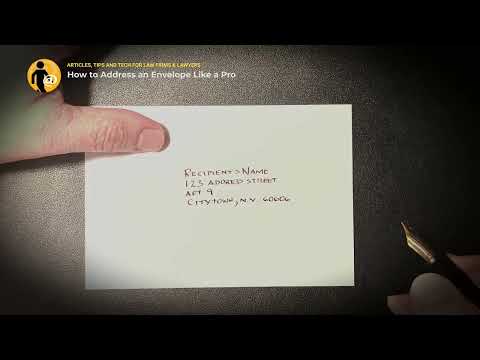
To address an envelope, write the recipient’s complete delivery address clearly, add your return address, and place correct postage where the postal operator requires it. This guide uses a typical United States layout and explains international differences. The destination’s postal format matters more than a decorative arrangement. Confirm the address before sealing, especially for apartments, offices, and recipients who have recently moved.
Verify the Delivery Details
Ask the recipient for the complete current address, including unit and postal code. Do not rely on an old signature.
The first useful distinction is between verified address and memory. Keeping those separate makes the choice clearer. A correct street with a missing apartment may still fail delivery. The practical aim here is complete delivery information, rather than rushing through an action without knowing what it should accomplish.
A common problem is an outdated or partial address. Confirm directly before writing. Before moving on, check recipient, unit, and postal code. That check gives you a concrete result to use, so you do not have to decide from an impression alone.
Use the Correct Side
Place address and postage on the envelope’s front. In a typical US layout, delivery sits centrally and return details upper left.
Think of postal layout as a specific part of the task. It should not be confused with decorative placement. Processing needs recognizable address blocks. In practice, a readable mailing face gives this step a clear purpose and helps you judge whether the approach suits your situation.
If you notice writing main details on the flap, pause at this point. Follow the operator’s layout. Look for the address and postage on the intended face before treating the step as complete. The small details matter because a later action cannot always make up for an earlier misunderstanding.
Write the Recipient Name
Use the name needed for delivery. Add an organization or care-of line when appropriate to the destination.
It helps to decide what delivery identity should achieve before considering an informal nickname. Buildings may route mail by resident or department. The intended outcome is clear routing. Keep that outcome in view when choosing among methods, because a method that looks convenient can still miss the actual purpose.
Watch for omitting the business or host. Ask how the recipient receives mail. A useful check is the intended person identifiable. Make the decision from what you can verify, and avoid treating a familiar-looking result as proof that every important detail is correct.
Include Street and Unit
Write the building number, street, and apartment or suite. Keep the unit with the relevant delivery details.
There is a practical reason to give specific destination its own attention instead of folding it into street name alone. Many addresses share a building. The goal is the correct internal destination. Approaching it as a separate decision helps you keep the instructions clear and prevents unrelated details from distracting you.
One avoidable difficulty is a missing apartment number. Add the requested unit designation. Confirm all necessary secondary address details. If that confirmation is missing, use the relevant guidance for this step instead of assuming that the rest of the process will compensate.
Add City Region and Postal Code
For US mail, include city, state abbreviation, and ZIP code. Other countries use different ordering and identifiers.
At this stage, local postal format matters more than a universal template. International conventions vary. You are aiming for correct regional information. A clear target makes it easier to choose a sensible next action and to recognize when the current approach does not fit what you need.
Be careful about forcing US fields onto every country. Use the destination operator’s guidance. Pay attention to the complete valid postal identifier. This is the detail that makes the advice usable in a real situation, where conditions may differ from the simplest example.
Add a Return Address
Provide an address where undeliverable mail can reach you. Keep it separate from the delivery block.
Treat return routing as a decision you can explain, rather than letting the recipient block make the decision for you. A return address serves a different purpose. The purpose is a clear sender address. That reasoning is useful when you encounter a variation and need to understand which part of the advice still applies.
Do not overlook two equally prominent main addresses. Use the normal return position. Check the sender and recipient blocks distinct. Keeping that point explicit makes the result easier to assess and reduces the chance of continuing simply because you have already invested time in the approach.
Handle International Mail
Use the destination’s address order and put the country clearly on the final line as instructed by your sending operator.
The connection between international requirements and domestic assumptions deserves a closer look. Country identification determines routing. What matters most is a correctly identified destination. Use that relationship to choose the appropriate method instead of relying on a rule remembered without its original conditions.
A sign to reconsider the approach is an ambiguous country abbreviation. Check the sending and destination rules. Look specifically for country and postal format correct. A focused observation is more useful than a broad judgment that something seems right or wrong.
Keep Lettering Legible
Use permanent ink, strong contrast, and uncomplicated writing. Avoid covering address areas with artwork.
Give priority to readability when decorative script would distract from the immediate task. Unclear digits can change the destination. The desired result is readable names and numbers. Keeping the scope narrow here lets you deal with the relevant issue without adding changes that have no clear purpose.
A frequent source of confusion is an ornate unreadable postal code. Print clearly or use an appropriate label. Verify each address element easy to distinguish. That verification should match the actual situation, not just the appearance of a picture or an example with different conditions.
Check Postage and Contents
Weight, size, shape, destination, and contents affect postage and service. Do not guess from a previous letter.
Consider the effect of current mailing requirements on the result, compared with last time’s stamp. Different mailpieces have different conditions. Your aim is the correct service and postage. This is a useful point to distinguish a necessary action from an optional preference, particularly when several possible approaches seem equally convenient.
Take account of underpayment or prohibited contents. Check the operator or counter service. The detail to confirm is eligible contents and sufficient postage. If you need further help, describe that detail precisely so another person can understand the problem without guessing.
Review Before Sending
Compare the finished envelope with the verified address, seal it securely, and use an appropriate posting method.
Finally, connect final review with assuming writing means accuracy in a way that serves the original purpose. Small transpositions are easy to overlook. The outcome you want is a checked mailpiece. A good finish checks the result as carefully as the beginning checked the setup.
The issue to avoid is digits copied in the wrong order. Read line by line before dispatch. Before considering the task finished, confirm address, return details, seal, and postage. That final check helps separate a completed action from a result that is actually suitable for use.
A Practical Example
For a letter to a friend in an apartment, confirm the building number and unit before writing. Put their full delivery block in the main address area and yours separately as the return address. Check the postal code digit by digit, weigh the sealed envelope if needed, and choose postage for that specific item.
A Fully Written Example
For a domestic United States example, the recipient block could read Jordan Lee on its first line, 125 Oak Street Apt 4B on its second, and Springfield IL 62704 on its third. Use the real verified address for your recipient rather than copying this illustrative combination. A return block in the upper-left corner uses your own name and complete mailing address. Postage goes in the upper-right area, leaving the main destination address easy to distinguish.
Before sealing, compare the envelope with the original address supplied by the recipient. Check apartment letters, building numbers, directional words such as North, and the ZIP Code. A single wrong digit can matter more than elegant handwriting. If you use a printed label, make sure it lies flat, does not wrap around an edge, and remains readable after handling. Avoid placing decorative writing or extra addresses where they compete with the recipient block. Keep enough space for postal processing.
For international mail, use the destination country’s address structure and write the country clearly on the final line. Do not force every overseas address into a United States city-state-ZIP pattern. Confirm the current postage, permitted contents, and any customs requirements for the item you are sending. An envelope containing a document differs from one containing merchandise or a rigid object. When the address is uncertain, ask the recipient or check an official postal tool before mailing. Once posted, correcting a small mistake may be far harder than checking it on the desk.
Related Reading
If your envelope contains a personal note, Little Lioness’s ideas for surprising family and friends includes a thoughtful letter among its suggestions. Check the mailing details carefully so that gesture reaches the right person.
Frequently Asked Questions
Can I omit the return address?
Requirements vary, but a clear return address is useful if delivery fails. Certain services require one; check the relevant operator.
Where does an apartment number go?
Use the destination’s accepted format and include it in the delivery block. Do not put it where it appears to belong to the sender.
Are international stamps always enough?
Postage depends on the complete mailpiece and destination. Check current requirements, especially for nonstandard sizes or contents.
Put the Guide Into Practice
A correctly addressed envelope makes the destination unmistakable. Verify the complete recipient address, separate it from the return details, and choose the proper postage for the contents and destination. A final check before sealing is easier than correcting mail after it has entered the system.