
How to Stop a Nosebleed: First Aid and When to Get Help
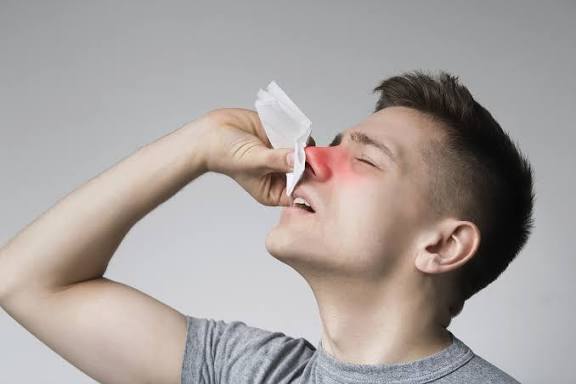
To stop a nosebleed, sit upright, lean forward, and pinch the soft part of your nose just above the nostril openings continuously for 10 to 15 minutes. Breathe through your mouth and use a timer so you do not release pressure early. Seek urgent medical help if bleeding continues beyond that interval, is heavy, affects breathing, follows a head injury, or comes with weakness or dizziness. These immediate steps matter more than finding a home remedy. The guide below explains the technique, common mistakes, and aftercare without assuming that every nosebleed has the same cause.
Recognize an Emergency First
Call your local emergency service for severe bleeding, breathing difficulty, collapse, or a serious injury. Get urgent help if the bleeding persists after 10 to 15 minutes of firm pressure.
The first useful distinction is between urgent symptoms and a routine minor episode. Keeping those separate makes the choice clearer. Some episodes need care beyond home first aid. The practical aim here is timely medical assessment, rather than rushing through an action without knowing what it should accomplish.
A common problem is delaying care while trying several remedies. Use emergency or urgent-care services according to severity. Before moving on, check whether there is heavy bleeding or other concerning illness. That check gives you a concrete result to use, so you do not have to decide from an impression alone.
Sit Upright and Lean Forward
Sit down with your upper body upright and your face angled forward. Keep your mouth open and breathe through it. Avoid lying flat or tipping your head backward.
Think of forward positioning as a specific part of the task. It should not be confused with tilting backward. Forward positioning reduces blood flowing toward the throat. In practice, a position that supports safe first aid gives this step a clear purpose and helps you judge whether the approach suits your situation.
If you notice leaning back to hide the bleeding, pause at this point. Sit forward and allow blood to drain outward. Look for whether you can breathe comfortably before treating the step as complete. The small details matter because a later action cannot always make up for an earlier misunderstanding.
Pinch the Soft Nose
Use your thumb and finger to compress the soft lower portion, just above the nostril openings. Do not press only on the firm bony bridge.
It helps to decide what soft tissue pressure should achieve before considering pressure on bone. The useful compression is lower than many people expect. The intended outcome is steady pressure in the correct place. Keep that outcome in view when choosing among methods, because a method that looks convenient can still miss the actual purpose.
Watch for squeezing the bridge without compressing the nostrils. Move the grip down to the soft part. A useful check is where your fingers are applying pressure. Make the decision from what you can verify, and avoid treating a familiar-looking result as proof that every important detail is correct.
Maintain Pressure With a Timer
Hold the pinch continuously for 10 to 15 minutes. Set a timer or ask someone to time it. Do not repeatedly let go to see whether bleeding has stopped.
There is a practical reason to give continuous compression its own attention instead of folding it into frequent checking. Releasing pressure can interrupt the first-aid attempt. The goal is an uninterrupted timed interval. Approaching it as a separate decision helps you keep the instructions clear and prevents unrelated details from distracting you.
One avoidable difficulty is checking every minute. Keep the grip until the interval ends unless urgent symptoms require immediate help. Confirm the actual elapsed time. If that confirmation is missing, use the relevant guidance for this step instead of assuming that the rest of the process will compensate.
Manage Blood Calmly
Let blood drain forward into a tissue or container. Spit out blood that reaches the mouth rather than deliberately swallowing it. Keep breathing through your mouth.
At this stage, outward drainage matters more than swallowing blood. Swallowed blood can upset the stomach. You are aiming for a calm manageable response. A clear target makes it easier to choose a sensible next action and to recognize when the current approach does not fit what you need.
Be careful about trying to plug the nose with improvised objects. Use external pressure instead and avoid pushing material deep inside. Pay attention to whether blood is flowing into the throat heavily. This is the detail that makes the advice usable in a real situation, where conditions may differ from the simplest example.
Avoid Unproven Shortcuts
Do not replace compression with head tilting, repeated nose blowing, or inserting objects. A cool compress is optional comfort, not a substitute for the core steps.
Treat effective first aid as a decision you can explain, rather than letting a home-remedy checklist make the decision for you. Adding distractions can delay pressure and assessment. The purpose is attention to the essential technique. That reasoning is useful when you encounter a variation and need to understand which part of the advice still applies.
Do not overlook relying on a cold cloth alone. Return to firm lower-nose pressure and the timer. Check whether the main first-aid action is actually happening. Keeping that point explicit makes the result easier to assess and reduces the chance of continuing simply because you have already invested time in the approach.
Assess at the End of the Interval
After the timed period, release gently and assess. If bleeding continues beyond 10 to 15 minutes, seek urgent medical advice or emergency assessment, especially if it is substantial.
The connection between the next decision and repeating home treatment indefinitely deserves a closer look. Persistent bleeding needs assessment. What matters most is appropriate escalation. Use that relationship to choose the appropriate method instead of relying on a rule remembered without its original conditions.
A sign to reconsider the approach is resetting the timer repeatedly to avoid seeking help. Arrange care and continue appropriate first aid while awaiting advice. If emergency assessment is needed, ask someone else to drive or call the local emergency service rather than driving yourself. Look specifically for whether the bleeding has genuinely stopped. A focused observation is more useful than a broad judgment that something seems right or wrong.
Protect the Nose Afterwards
For the next 24 hours, avoid blowing or picking the nose, hot drinks, alcohol, heavy lifting, and strenuous exercise. Avoid lying flat immediately afterwards.
Give priority to aftercare when returning straight to irritation would distract from the immediate task. A recently stopped episode can restart. The desired result is a quiet recovery period. Keeping the scope narrow here lets you deal with the relevant issue without adding changes that have no clear purpose.
A frequent source of confusion is testing the nose with forceful blowing. Leave the area alone and follow clinician advice if given. Verify whether activity is likely to disturb the nose. That verification should match the actual situation, not just the appearance of a picture or an example with different conditions.
Consider Medicines and Recurrence
Arrange medical advice for frequent nosebleeds, bleeding disorders, or use of anticoagulants. Do not stop prescribed blood-thinning medicine on your own.
Consider the effect of medical context on the result, compared with self-adjusting medication. Recurring bleeding or medicine-related risk may require individualized care. Your aim is a safe treatment review. This is a useful point to distinguish a necessary action from an optional preference, particularly when several possible approaches seem equally convenient.
Take account of skipping doses without guidance. Contact the prescribing clinician or appropriate urgent service. The detail to confirm is your medicine list and history of episodes. If you need further help, describe that detail precisely so another person can understand the problem without guessing.
Help a Child or Another Person
Explain the steps simply and keep the person sitting forward. If a child under two has a nosebleed, obtain medical advice. Anyone with severe symptoms needs urgent assessment regardless of age.
Finally, connect supported first aid with forcing cooperation in a way that serves the original purpose. Clear instructions make sustained pressure easier. The outcome you want is a calm supervised response. A good finish checks the result as carefully as the beginning checked the setup.
The issue to avoid is leaving a distressed person unsupported. Stay nearby and get help when the situation exceeds simple first aid. Before considering the task finished, confirm whether the person can follow the instructions safely. That final check helps separate a completed action from a result that is actually suitable for use.
A Practical Example
A person develops a minor nosebleed while sitting at home. They lean forward, pinch the soft lower nose, and set a 15-minute timer. Their companion brings tissues and keeps track of time without asking them to release the pinch repeatedly. If bleeding is still present at the end, they arrange urgent care instead of cycling through household remedies. If it stops, they avoid nose blowing and strenuous activity during the following day.
Related Reading
When the episode is over, a comfortable recovery environment can help you rest. Little Lioness’s sleep hygiene checklist offers general routine ideas; it does not replace first aid or medical assessment.
Frequently Asked Questions
Should I lean my head back?
No. Sit upright and lean forward. Tilting backward can send blood toward the throat, making the amount harder to assess.
What if I take a blood thinner?
Seek medical advice, particularly for persistent or recurring bleeding. Do not stop a prescribed medicine without a clinician telling you to do so.
When should I get urgent help?
Persistent bleeding beyond 10 to 15 minutes, heavy blood loss, breathing trouble, weakness, dizziness, or bleeding after a head injury needs urgent assessment.
Put the Guide Into Practice
For a nosebleed, prioritize sitting forward and continuous pressure on the soft lower nose. Use a timer and seek urgent help when bleeding persists or concerning symptoms occur. Once it stops, protect the nose during the recovery period and obtain advice for recurring episodes.