
How to Make Guacamole With Fresh Flavor and Good Texture
- 1 Views
- johansan great
- October 24, 2026
- Reviews
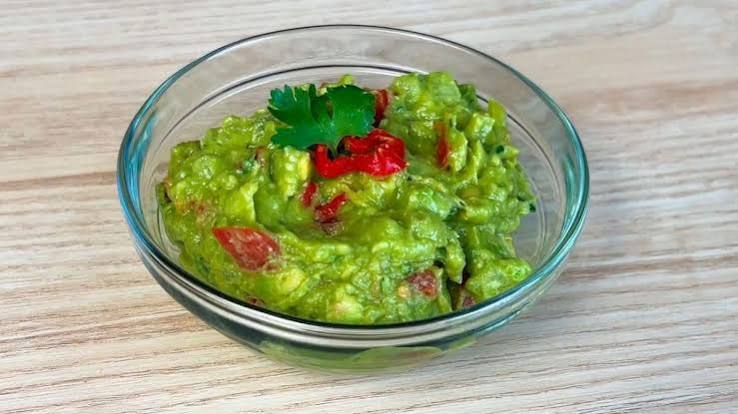
To make guacamole, mash ripe avocados with lime juice and salt, then fold in finely chopped onion, cilantro, and optional chili or tomato. Keep some avocado texture if you prefer a chunky dip, and taste before adding more acid or salt. A simple starting recipe uses two medium avocados, about a tablespoon of lime juice, a few tablespoons of finely chopped onion, and salt added gradually. This guide explains ripeness, a reliable mixing method, ways to adjust the flavor, and how to store leftovers safely.
Choose Ripe Avocados
Look for an avocado that yields gently to light pressure without feeling mushy or collapsed. Skin color varies by variety, so do not use color as the only test.
The first useful distinction is between ripeness by feel and color alone. Keeping those separate makes the choice clearer. A firm unripe avocado does not mash into a creamy dip. The practical aim here is pleasantly mashable flesh, rather than rushing through an action without knowing what it should accomplish.
A common problem is trying to force an underripe avocado smooth. Allow firm fruit to ripen before making the dip. Before moving on, check whether gentle pressure gives slightly. That check gives you a concrete result to use, so you do not have to decide from an impression alone.
Prepare the Ingredients
For two medium avocados, prepare roughly one tablespoon lime juice, two to three tablespoons finely chopped onion, one to two tablespoons cilantro if desired, and a small amount of chopped chili. Start with about a quarter teaspoon salt and adjust.
Think of a starting recipe as a specific part of the task. It should not be confused with an exact rule for all fruit sizes. Avocado size and individual taste vary. In practice, a balanced first mixture gives this step a clear purpose and helps you judge whether the approach suits your situation.
If you notice adding all optional ingredients in large amounts, pause at this point. Begin modestly and taste as you go. Look for the amount of avocado compared with seasoning before treating the step as complete. The small details matter because a later action cannot always make up for an earlier misunderstanding.
Cut the Avocado Safely
Wash the outside, use a stable cutting board, and cut around the pit carefully. Separate the halves and remove the pit with a spoon instead of striking it with a knife held over your hand.
It helps to decide what safe handling should achieve before considering a dramatic pit-removal trick. A slipping knife can cause injury. The intended outcome is clean flesh prepared without unnecessary risk. Keep that outcome in view when choosing among methods, because a method that looks convenient can still miss the actual purpose.
Watch for holding the avocado in the palm while hitting the pit. Place it securely and use a spoon. A useful check is whether the knife path stays away from your hand. Make the decision from what you can verify, and avoid treating a familiar-looking result as proof that every important detail is correct.
Mash to Your Preferred Texture
Scoop the flesh into a bowl and mash with a fork. Stop while small pieces remain for chunky guacamole, or continue for a smoother mixture.
There is a practical reason to give texture control its own attention instead of folding it into automatic blending. A fork gives you direct control over the consistency. The goal is the texture you enjoy. Approaching it as a separate decision helps you keep the instructions clear and prevents unrelated details from distracting you.
One avoidable difficulty is processing until the mixture becomes overly uniform. Mash in stages and inspect between them. Confirm whether the remaining pieces are the size you want. If that confirmation is missing, use the relevant guidance for this step instead of assuming that the rest of the process will compensate.
Add Lime and Salt Gradually
Mix in part of the lime juice and salt, then taste with a clean spoon. Add more in small increments. A salty chip can change how the finished dip tastes.
At this stage, incremental seasoning matters more than one large addition. Excess acid or salt is harder to reverse. You are aiming for balanced avocado flavor. A clear target makes it easier to choose a sensible next action and to recognize when the current approach does not fit what you need.
Be careful about adding a full spoonful of salt without tasting. Start low and account for the accompaniment. Pay attention to whether the dip still tastes primarily of avocado. This is the detail that makes the advice usable in a real situation, where conditions may differ from the simplest example.
Fold in Onion and Herbs
Finely chop onion so the pieces blend into the dip rather than dominating each bite. Add cilantro if you like it, or leave it out. Mix gently after the avocado is mashed.
Treat small additions as a decision you can explain, rather than letting large raw-onion chunks make the decision for you. Fine pieces distribute flavor more evenly. The purpose is a mixture with balanced bites. That reasoning is useful when you encounter a variation and need to understand which part of the advice still applies.
Do not overlook overloading the dip with onion. Use less initially and add more only after tasting. Check whether any one ingredient overwhelms the avocado. Keeping that point explicit makes the result easier to assess and reduces the chance of continuing simply because you have already invested time in the approach.
Control Chili Heat
Remove chili seeds and membranes if you want less heat, recognizing that heat still varies. Add a little at first and wash hands after handling. Avoid touching eyes.
The connection between measured heat and a fixed pepper count deserves a closer look. Peppers of the same type can differ in strength. What matters most is a dip everyone can enjoy. Use that relationship to choose the appropriate method instead of relying on a rule remembered without its original conditions.
A sign to reconsider the approach is adding the entire pepper before tasting. Begin with a small finely chopped amount. Look specifically for how the heat builds after mixing. A focused observation is more useful than a broad judgment that something seems right or wrong.
Use Tomato Carefully
If adding tomato, remove excess watery seed pulp and chop the firm flesh small. Tomato is optional; too much liquid can loosen the dip.
Give priority to controlled moisture when including every part of a juicy tomato would distract from the immediate task. Watery additions can change the consistency. The desired result is fresh additions without a runny mixture. Keeping the scope narrow here lets you deal with the relevant issue without adding changes that have no clear purpose.
A frequent source of confusion is mixing in a large pool of tomato juice. Drain the chopped tomato before folding it in. Verify whether liquid collects at the bottom. That verification should match the actual situation, not just the appearance of a picture or an example with different conditions.
Serve and Store Promptly
Serve soon for the freshest appearance. Refrigerate promptly and avoid leaving the dip out over two hours, or one hour above 90°F or 32°C. Press a food-safe cover against the surface to limit air exposure.
Consider the effect of safe chilled storage on the result, compared with color preservation alone. Lime slows browning but does not make the dip shelf-stable. Your aim is a safe appealing leftover. This is a useful point to distinguish a necessary action from an optional preference, particularly when several possible approaches seem equally convenient.
Take account of leaving it out because it still looks green. Track time and refrigerate in a covered container. The detail to confirm is how long it has been at room temperature. If you need further help, describe that detail precisely so another person can understand the problem without guessing.
Adjust the Next Batch Thoughtfully
If the dip is bland, add a little salt or lime and taste again. If it is too acidic or salty, extra avocado can rebalance it. Do not use browning alone to judge spoilage.
Finally, connect specific flavor changes with adding every seasoning together in a way that serves the original purpose. One-at-a-time adjustments are easier to evaluate. The outcome you want is a recipe matched to your preference. A good finish checks the result as carefully as the beginning checked the setup.
The issue to avoid is covering an unsafe leftover with fresh ingredients. Discard food with concerning condition or unsafe handling. Before considering the task finished, confirm whether the issue is flavor or food safety. That final check helps separate a completed action from a result that is actually suitable for use.
A Practical Example
For a small gathering, mash two ripe avocados with half the prepared lime juice and a modest pinch of salt. Fold in finely chopped onion and cilantro, then taste with the chips you plan to serve. The chips are salty, so you add only a little more salt. You make a separate mild portion before adding chili to the rest. Keep the dip chilled until shortly before serving and refrigerate uneaten portions promptly.
Related Reading
Guacamole is an easy component of a shared meal. Little Lioness’s dinner-party hosting ideas can help you coordinate the dip with the rest of the food.
Frequently Asked Questions
Does the pit stop guacamole browning?
A pit does not protect the exposed surface. Limiting air contact with a suitable cover and refrigeration is more useful.
Can I make guacamole without cilantro?
Yes. Cilantro is optional. Avocado, lime, salt, and suitable onion or chili can still make a flavorful dip.
Can I use lemon instead of lime?
Yes, if you prefer or only have lemon. Add it gradually because the flavor differs, and taste before increasing the quantity.
Put the Guide Into Practice
Fresh guacamole relies on ripe avocado and gradual seasoning. Choose the texture you enjoy, fold in additions modestly, and taste with the intended accompaniment. Make it close to serving time, keep it properly chilled, and distinguish a flavor adjustment from a food-safety problem.