
RH Indianapolis Photos: Event and Venue Visualizations in a Modern Design Landmark
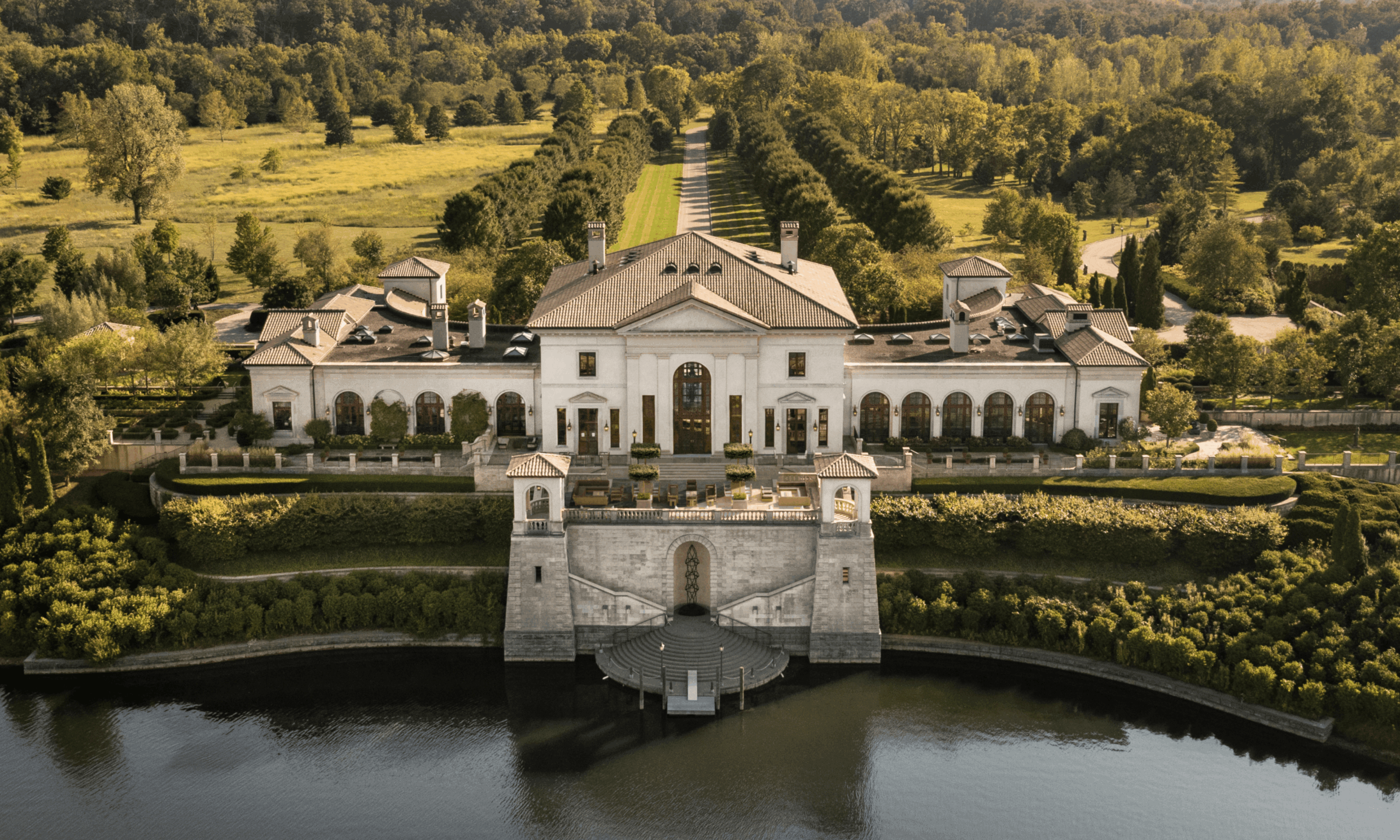
RH Indianapolis photos play a central role in how people discover, evaluate, and emotionally connect with one of the Midwest’s most talked-about design and hospitality destinations. In today’s visual-first digital environment, photography is no longer decorative; it is informational, persuasive, and experiential. High-quality imagery influences travel planning, dining decisions, architectural appreciation, and brand perception. As Google’s latest helpful-content and experience-based guidelines emphasize authenticity, relevance, and real-world value, visual documentation of spaces like RH Indianapolis has become a critical asset for users seeking trustworthy insight rather than promotional exaggeration.
Understanding the Cultural and Architectural Significance of RH Indianapolis
RH Indianapolis stands as more than a retail or dining venue; it represents a convergence of architecture, lifestyle branding, and experiential design. Housed in a grand, historically inspired structure, the space combines European classical aesthetics with modern minimalism. Photography of such environments must communicate scale, texture, light, and emotional atmosphere—much like carefully curated architectural landmark venue photography that documents real visitor perspective rather than idealized staging.
Why Visual Documentation Matters Under Google’s Latest Guidelines
Google’s most recent search quality standards prioritize first-hand experience, originality, and usefulness. Visual content that reflects real environments, accurate lighting conditions, and genuine visitor viewpoints aligns with these expectations. This mirrors how users trust real-world airport interior photography showing authentic passenger experience more than glossy promotional renders.
The Role of Photography in Experiential Retail and Hospitality
Modern experiential destinations rely on visual storytelling to communicate identity. Photography captures not only how a space looks, but how it feels to occupy it. For multi-functional environments combining retail galleries, dining, and events, visual narratives must guide viewers through transitions between spaces while maintaining emotional continuity—similar to how large-scale event venue photo documentation with people in motion balances design with human presence.
Architectural Visualization as a Digital First Impression
Before most visitors ever walk through the doors, their perception is shaped by online imagery. Architectural photography highlights proportions, materials, ceiling height, and spatial flow. In design-driven venues, imagery functions as an extension of architecture itself, translating physical presence into a digital experience without distortion—just as immersive destination photography that helps visitors plan with confidence does for large public attractions.
Lighting as the Foundation of Effective Venue Photography
Light defines mood, texture, and depth. Natural daylight, ambient interior lighting, and evening illumination all convey different emotional registers. Effective RH Indianapolis photos document how the space transforms throughout the day, helping viewers understand its versatility. This transparency supports user intent in the same way step-by-step visual guides built on clarity and realism reduce uncertainty by showing exactly what to expect.
Capturing Atmosphere Without Over-Styling
One of the biggest challenges in venue photography is balancing polish with realism. Over-edited images may attract clicks but fail to meet user expectations, which can harm trust. Experience-based imagery that accurately reflects scale, seating density, and ambient tone performs better under Google’s people-first framework—much like authentic before-and-after photo documentation built on transparency.
Event Photography Within Design-Driven Spaces
When events take place in architecturally significant environments, photography must integrate people into the space without overwhelming it. The goal is to document interaction while preserving design integrity. Intentional framing and an understanding of how movement interacts with structure are key—an approach also seen in lifestyle event photography that blends people and place naturally.
Visualizing Dining as an Experience Rather Than a Menu
The dining experience at RH Indianapolis is about more than food presentation. Photography should capture pacing, table spacing, implied sound, and the relationship between guests and surroundings. Images showing how diners inhabit the space provide context that menus alone cannot.
The Dining Room as a Visual Narrative Anchor
RH Indianapolis dining room photos are often sought because they represent the emotional center of the venue. This space merges hospitality, architecture, and social interaction. Effective imagery shows ceiling height, lighting diffusion, and material textures interacting with human presence—offering a realistic preview rather than a stylized fantasy.
Restaurant Photography and Trust-Based Decision Making
When users search for dining locations, they rely heavily on images to assess comfort, elegance, and suitability for different occasions. RH Indianapolis restaurant photos reflect a desire for clarity rather than promotion. Authentic visuals showing real service conditions and seating arrangements support informed decisions and align with search trust signals.
Retail Gallery Visualization and Spatial Flow
Large-scale retail galleries require a distinct photographic approach. Images must convey openness, navigation, and visual rhythm. Wide-angle compositions paired with detail shots help viewers understand how products exist within architectural frameworks rather than isolated displays.
Photography as a Tool for Memory and Aspiration
Beyond discovery, venue photos serve as memory anchors for visitors and aspirational references for future guests. Images that resonate emotionally are more likely to be saved, shared, and revisited—extending the experience well beyond the physical visit.
Integrating Human Scale Into Architectural Photography
Including people within architectural imagery helps viewers understand proportion and usability. Guests, diners, or staff introduce warmth and context, transforming static spaces into lived environments and supporting experience-based evaluation.
Authenticity and User Trust in Visual Search Results
Users increasingly distinguish between staged promotional imagery and authentic documentation. Photography that maintains accurate color balance, realistic crowd levels, and honest composition builds long-term trust and performs better across search and social platforms.
Photography as Long-Term Digital Infrastructure
Unlike short-term campaigns, high-quality RH Indianapolis photos function as durable digital infrastructure. These assets support search visibility, user education, and brand storytelling over time, making them a sustainable investment rather than a one-off marketing effort.
Conclusion: Visual Experience as a Digital Standard
RH Indianapolis photos exemplify how thoughtful visual documentation can bridge architecture, hospitality, and digital discovery. By prioritizing authenticity, experience, and architectural integrity, venue photography becomes more than marketing—it becomes a reliable guide for users making real-world decisions through digital spaces.
- restoration hardware indianapolis interior images
- restoration hardware indianapolis photos
- restoration hardware indianapolis pictures
- restoration hardware indianapolis showroom
- rh indianapolis decor images
- rh indianapolis design gallery photos
- rh indianapolis furniture photos
- rh indianapolis gallery photos
- rh indianapolis home decor images
- rh indianapolis interior photos
- rh indianapolis lifestyle photos
- rh indianapolis lighting photos
- rh indianapolis luxury furniture photos
- rh indianapolis modern furniture photos
- rh indianapolis photos
- rh indianapolis retail photos
- rh indianapolis showroom photos
- rh indianapolis store images
- rh indianapolis store interior
- rh indianapolis visual tour