
Maximizing Your Fun: Creative Ways to Use Shuffle Bonus Codes for Extra Rewards
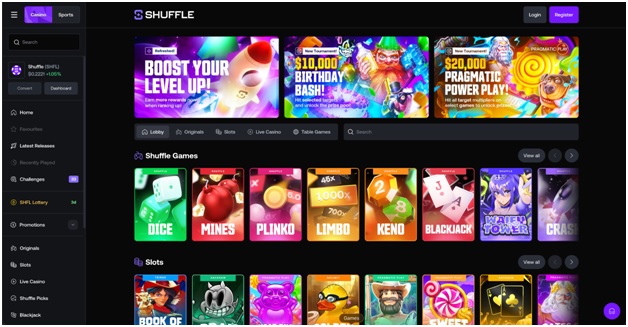
Bonus codes on Shuffle aren’t just incentives to deposit. They shape how long you play, what games you touch, and how much pressure each session carries. Two players can activate the same code and walk away with completely different experiences, not because of luck alone, but because of how they use it.
This guide breaks down how to approach the Shuffle bonus code as session tools, not a one-off freebie. The goal is simple: more enjoyable play, smoother wagering, and rewards that feel earned rather than rushed.
What Shuffle Bonus Codes Actually Unlock (Beyond the Obvious)
On paper, an active bonus code from Shuffle looks simple: you enter a code, your balance goes up. That’s the part everyone sees. What’s less obvious is how much that extra balance quietly changes the way a session plays out.
On Shuffle, bonus codes don’t just pad numbers, they reshape your margin for error, your pacing, and even the kind of games you feel comfortable opening.
Extended Playtime (The Underrated Benefit)
The most immediate effect is time. More balance means more spins, hands, or rounds, even if nothing spectacular happens. This matters because:
- Average outcomes don’t end sessions early.
- Cold streaks don’t automatically force a reload.
- You’re less likely to quit after ten minutes feeling like you “missed your chance.
A bonus doesn’t need to double your money to be useful. Sometimes it just turns a short, abrupt session into something that actually feels like an evening of play.
Variance Protection (Why Bonuses Feel Calmer)
Volatility hits hardest at the start of a session. A few bad rounds early can wipe out a small deposit fast. Bonus funds soften that impact. With a bonus active:
- Early losses don’t immediately dictate your mood.
- You’re less tempted to chase with bigger bets.
- High-volatility games feel playable instead of intimidating.
This buffer doesn’t remove risk, but it spreads it out. That alone makes sessions feel less tense and more controlled.
Experimentation Room (Playing Without Commitment Anxiety)
Most players stick to the same games because switching feels risky. Bonus balance changes that dynamic. It gives you space to:
- Try new slots without worrying about instant losses.
- Spend time in live games you normally avoid because of minimum bets.
- Explore Shuffle Originals you’ve ignored simply out of habit.
Because part of the balance isn’t purely “yours,” there’s less pressure to justify every click. That freedom makes play feel lighter and more curious, rather than defensive.
Access to Promo Ecosystems (Where Bonuses Quietly Compound)
Bonus wagering often overlaps with other systems running in the background:
- Missions that track wagering volume.
- Loyalty or VIP progression.
- Cashback or rakeback calculations.
You’re not just playing through a bonus, you’re feeding multiple reward paths at once. Even if the bonus itself doesn’t convert perfectly, the activity still contributes to future perks.
Timing Your Bonus Code Use for Maximum Upside
A bonus can be solid on paper and still feel terrible in practice. Most of the time, that comes down to timing. When you activate a bonus on Shuffle often matters almost as much as the percentage or max amount attached to it. Good timing makes a bonus feel like a cushion. Bad timing turns it into a chore.
Adequate Session Length (Don’t Activate and Rush)
Bonuses don’t like being rushed. If you activate one knowing you only have a short window to play, you’re setting yourself up for stress. When time is tight:
- You feel pressure to bet faster.
- You’re more likely to raise stakes just to push wagering along.
- Every loss feels heavier because the clock is ticking.
When you have real time to play, the opposite happens. You can let wagering unfold naturally instead of treating it like a task to finish. Sessions feel smoother, and decisions feel less reactive.
Deposit Size Alignment (Flexibility Matters More than Headline Value)
A common mistake is pairing a very small deposit with a bonus that has a hefty wagering requirement. On paper, you’re “getting a bonus.” In reality, you’ve boxed yourself in. Small deposits with big multipliers usually mean:
- Limited bet size options.
- Less room to ride out variance.
- A higher chance of hitting zero before wagering is done.
A deposit that matches the scale of the bonus gives you breathing room. You don’t need to bet aggressively, and you’re less likely to feel trapped by the terms.
Promo Overlap Windows (Let One Session Do Multiple Jobs)
Timing bonuses around active promos is one of the easiest ways to get extra value without changing how you play. During weekly missions or leaderboard periods:
- Bonus wagering can count toward challenge progress.
- Activity contributes to loyalty or VIP systems.
- Cashback or rakeback accrues in the background.
Instead of playing “just” a bonus, you’re stacking progress across several reward systems. Even if the bonus itself doesn’t convert perfectly, the session still moves you forward.
Mental Bandwidth (Bonuses Punish Distraction)
Bonuses demand a bit of attention. Not intense focus, just enough to stay aware of what you’re doing. Using a bonus while distracted often leads to:
- Accidental overbetting.
- Ignoring contribution rules.
- Forgetting wagering caps or max bets.
- Quitting mid-bonus out of frustration.
When you’re mentally present, the same bonus feels straightforward. You make cleaner decisions, pace your bets better, and avoid small mistakes that kill value.
Matching Bonus Codes to Game Types for Better Results
One of the easiest ways to waste a good bonus is by playing the wrong games with it. Not bad games, just bad matches. On Shuffle, different game types interact with bonuses in very different ways, and those differences show up fast once wagering starts.
Contribution rates, game speed, and volatility don’t sound exciting, but they quietly decide whether a bonus feels smooth or exhausting.
How Different Game Types Behave With Bonuses
Here’s a practical way to think about it, not in terms of theory, but in how sessions actually feel.
| Game Type | Typical Contribution | Session Feel | Best Use Case |
| Slots | High | Fast, swingy | Moving wagering along, game variety |
| Table Games | Low–Medium | Calm, controlled | Protecting balance, steady play |
| Live Casino | Medium | Slow, immersive | Long sessions, entertainment-first |
| Shuffle Originals | High | Flexible, adaptable | Efficient wagering with room to adjust |
This isn’t about which games are “better.” It’s about what kind of session you’re trying to have.
Slots: Fast Progress, Fast Swings
Slots are the most common choice for bonuses, and for good reason. They usually contribute well toward wagering, and they move quickly. What slots do well:
- Clear wagering faster than most game types.
- Offer huge variety, so sessions don’t feel repetitive.
- Let you adjust volatility depending on mood.
What to watch out for:
- Balance can drop quickly during cold streaks.
- Fast losses can trigger impulse bet increases.
- High volatility cuts both ways, wins or busts come fast.
Slots work best when you want progress and don’t mind swings. They’re great early in a bonus, when balance is healthy and patience is high.
Table Games: Slower, Safer, Less Efficient
Table games feel comfortable because they’re predictable. The problem is that bonuses don’t always reward predictability. With table games:
- Contribution rates are often reduced.
- Wagering moves slowly, even with consistent play.
- Sessions feel stable but long.
That said, they shine when:
- You’re protecting a shrinking balance.
- You want to slow things down mentally.
- You’re okay with trading efficiency for control.
They’re rarely ideal for clearing a full bonus on their own, but they can be useful as a stabilizing tool mid-session.
Live Casino: Entertainment Over Speed
Live casino games sit in a different category. They’re slower, more immersive, and usually involve higher minimum bets. What live games offer:
- A social, engaging experience.
- Clear pacing that prevents rushed decisions.
- A feeling of “real play” that slots don’t always provide.
What they don’t offer:
- Fast wagering completion.
- Low-cost experimentation.
Live casino works best when the bonus is meant to support the experience, not rush it. If your goal is enjoyment over efficiency, this is where bonuses feel more like enhancements than restrictions.
Shuffle Originals: The Middle Ground
Originals are often the most flexible option for bonuses. They tend to contribute well, run quickly, and allow for controlled pacing. Why originals pair well with bonuses:
- High contribution without extreme volatility.
- Adjustable strategies depending on balance.
- Faster rounds without slot-level chaos.
They’re especially useful when:
- You want steady wagering progress.
- You’re experimenting with different approaches.
- You want efficiency without constant balance swings.
For many players, originals quietly become the backbone of bonus play.
The Trade-Offs That Actually Matter
When choosing games for a bonus, these trade-offs come up every time:
- Speed vs. balance longevity: Faster games move wagering forward but eat balance quicker.
- Control vs. efficiency: Slower games feel safer but drag out wagering.
- Volatility vs. enjoyment: High swings can be exciting or exhausting, depending on timing.
There’s no universal best choice. The best setup is the one that matches both the bonus mechanics and your mental state that day.
Using Shuffle Bonus Codes to Extend Sessions, Not Just Chase Wins
Most people burn through bonuses for one reason: they treat them like lottery tickets. Big balance, big bets, fingers crossed. Sometimes it works. Most of the time, the session ends fast and feels… thin. Not bad, just short.
On Shuffle, bonuses really start to shine when you stop using them to hunt a single hit and start using them to shape the session itself.
A bonus designed around time almost always feels better than one designed around outcomes.
Think in Sessions, Not Streaks
Chasing wins compresses everything:
- Fewer games played.
- Faster emotional swings.
- Higher frustration when luck turns.
Designing a session does the opposite. It spreads play out, smooths variance, and makes losses feel less personal because they happen inside a longer experience. The bonus becomes fuel, not pressure.
Rotate Volatility Instead of Living in One Gear
Staying in high-volatility games for an entire bonus is exhausting. Staying in low-volatility games can feel slow and dull. Mixing them is where bonuses really earn their keep. A balanced approach might look like:
- High volatility early, when balance is healthy.
- Medium volatility as wagering progresses.
- Lower volatility if balance tightens.
This rotation:
- Keeps excitement without constant stress.
- Extends playtime naturally.
- Prevents the “all or nothing” feeling.
Bonuses give you permission to shift gears without second-guessing every move.
Use Bonus Balance as Exploration Money
One of the quiet perks of bonus funds is psychological. Because part of the balance isn’t strictly “yours,” you’re more willing to explore. That’s the perfect moment to:
- Try slots you’ve bookmarked but never opened.
- Test Originals you don’t fully understand yet.
- Sit in a live game without worrying about squeezing value.
Exploration adds texture to sessions. Even when outcomes are neutral, the experience feels richer because you weren’t stuck doing the same thing for hours.
Low-Risk Strategies for Clearing Wagering Requirements
Wagering requirements have a bad reputation because people usually meet them at the worst possible moment, low balance, high frustration, and a strong urge to “just get it done.” That’s when bonuses start feeling like chores instead of perks.
On Shuffle, wagering doesn’t have to feel like a final boss. When you approach it with low-risk habits, it blends into the session instead of hijacking it.
Keep Bet Sizes Small Relative to What’s Left
One of the simplest rules that actually works: your bet size should always look small compared to the wagering you still need to clear. When bets are a modest slice of the remaining requirement:
- Losses don’t wreck the session.
- Wins feel helpful, not misleading.
- You avoid the temptation to “make it all back” in one go.
Big bets near the start rarely help. They just speed up variance and shorten the runway you need to let the bonus do its job.
Consistency Beats Late-Session Hero Moves
A lot of bonuses die in the last 20%. That’s where impatience kicks in. Common mistake:
- Playing responsibly for most of the bonus.
- Getting tired near the end.
- Doubling or tripling stakes to finish faster.
Those jumps almost never improve outcomes. They just turn a steady session into a coin flip. Consistent stakes do something important psychologically: they keep the session predictable. You know what each round costs, and nothing suddenly feels urgent.
Fewer Game Switches, Fewer Surprises
Switching games feels harmless, but it often adds unnecessary volatility. Every new game brings:
- A different pace.
- A different volatility profile.
- A different emotional rhythm.
Frequent switching:
- Increases the chance of unlucky streaks.
- Breaks concentration.
- Encourages impulsive bet changes.
Sticking with one or two games for longer stretches keeps wagering smoother and decision-making calmer.
Let Wagering Finish on Its Own
The biggest mindset shift is this: wagering isn’t something to defeat. It’s something to outlast. Forcing completion usually leads to:
- Bigger bets.
- Riskier games.
- Frustration-driven decisions.
Letting it finish naturally means:
- Accepting that it takes time.
- Allowing balance to move gradually.
- Ending the bonus without a dramatic final push.
Ironically, this often results in better final balances, even though that wasn’t the primary goal.
Turning Bonus Codes into Long-Term Value Through Loyalty Programs
Most people think of a bonus as a one-time event. You activate it, play it, win or lose, and move on. But on Shuffle, bonus play doesn’t disappear after the session ends. It quietly feeds into systems that reward consistency over time.
This is where bonuses stop being short-term boosts and start becoming long-term assets.
Bonus Play Still Counts, Even When It Doesn’t Convert Perfectly
A common frustration is finishing a bonus without much left. That can feel pointless if you’re only looking at the final balance. But behind the scenes, that play often still counts toward loyalty metrics. Bonus-funded wagering contributes to:
- Total activity volume.
- Loyalty or VIP progression.
- Ongoing cashback or rakeback calculations.
So even when a bonus doesn’t “cash out,” it can still move you closer to better conditions next time.
Faster Progression Through VIP Tiers
Loyalty systems reward volume and consistency. Bonuses increase both. Because bonus funds extend sessions:
- You wager more over time.
- You stay active longer.
- You hit loyalty thresholds faster.
This matters because higher tiers usually unlock:
- Better ongoing bonuses.
- Higher cashback percentages.
- Access to exclusive promos.
Instead of grinding with only real money, bonuses act like accelerators.
Better Cashback and Rakeback Rates Over Time
Cashback and rakeback are slow-burn rewards. They don’t feel exciting in a single session, but they add up quietly. Bonus play helps because:
- More wagering equals more eligible losses or rake.
- Extended sessions smooth variance.
- Small percentages turn into meaningful returns over time.
The effect isn’t dramatic overnight, but it’s noticeable across weeks or months.
More Relevant, Personalized Offers
Platforms pay attention to how people play. Bonus usage provides data. Consistent bonus play can lead to:
- Reload offers that match your usual deposit size.
- Bonuses aligned with the games you actually play.
- More frequent promo invitations.
Players who only drop in for isolated sessions tend to see generic offers. Regular bonus users often see better-aligned ones.
Higher Baseline Rewards in Future Sessions
This is the part most people miss. Loyalty benefits raise your baseline. Over time, you may notice:
- Better reload percentages.
- Lower effective wagering stress.
- More forgiving promo conditions.
At that point, even average sessions feel better because the floor is higher.
Read More: What Does “MB” Mean in Text? A Complete Guide to Understanding This Popular Slang Term