
How to Create a Living Room That Feels Collected, Not Copied
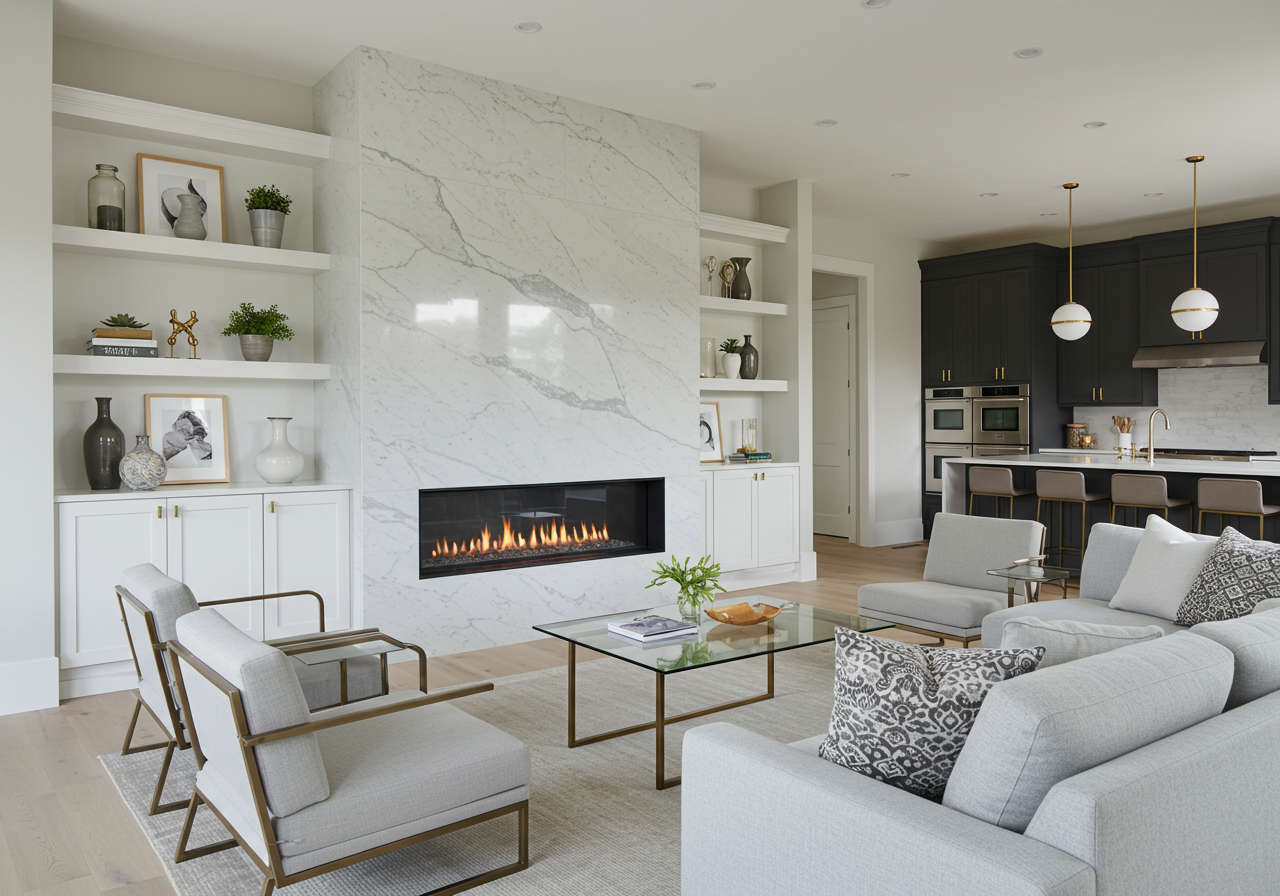
A sculptural sofa, a carefully styled shelf, and a beautiful rug can look wonderful together without revealing anything about the people who live there. The missing ingredient may not be another accessory. It might be the familiar chair, inherited cabinet, or artwork you left out because it did not match your inspiration folder.
Creating a personal room starts with choosing what deserves to stay. Digital tools can help explore possibilities, but the finished space should reflect your routines and possessions, not simply reproduce a convincing image.
Start With Something You Already Love
Choose one existing piece as your starting point. Imagine a walnut sideboard inherited from a relative: its warmth and simple proportions could guide your choices without dictating an entire period look.
A shared color palette and balanced proportions can connect modern furniture with vintage pieces without making everything match.
Try a contemporary lamp on the sideboard or place an abstract print above it. Repeat a small amount of its wood tone elsewhere, then compare the arrangement with a contrasting option.
Ask everyone who uses the room what they want to keep. Comfort and memory deserve consideration alongside appearance.
Set aside items that need repair for a separate decision. You do not have to discard something simply because it looks unfamiliar beside your newest purchase.
Give the Mood Board a Floor Plan
Collect a few images for specific reasons: the curtain texture, the relationship between two colors, or the way seating faces a window. Add photographs of your existing furniture alongside them.
Then sketch the room, marking doors, windows, outlets, and fixed features. IKEA’s planning tools distinguish visual furniture arrangements from detailed room plans that include practical features such as windows and outlets.
Measure the pieces you want to retain before adding new ones. Include room for opening drawers and pulling chairs away from the table.
Keep the main route through the space clear. Test the proposed arrangement with existing furniture where possible.
A beautiful collage answers questions about atmosphere. Your measurements need to answer whether the arrangement will actually fit.
Question the Advice Behind the Look
Read decorating descriptions as critically as you examine their photographs. “Perfect for small spaces” tells you little without dimensions or an explanation of how the piece functions.
An AI text detector may offer a signal about a description’s possible origin, but it cannot verify upholstery quality or determine whether a sofa suits your room. The 2024 RAID study found weaknesses in tested detection systems when handling unfamiliar generators and changes in text generation.
Return to the useful details: measurements, materials, care instructions, and the supplier’s actual specifications.
Keep broad style suggestions separate from technical decisions. If a proposed makeover involves removing walls or altering wiring, seek qualified advice rather than treating an attractive article as a construction plan.
Use Digital Concepts Without Losing the Room
Adobe’s room makeover tutorial uses a style reference to guide appearance and a composition reference based on the original room to guide layout.That distinction offers a useful approach to experimentation.
Start with a photograph of your own space. Request one change at a time, such as warmer curtains or a different rug, while preserving doors and windows.
When using software to humanize image details in a concept, keep the original photograph beside the result. More natural textures do not establish that the furniture exists or that its proportions are correct.
Label generated scenes as ideas, not finished plans. Select two useful options and identify what each contributes before creating another dozen variations.
Take Color and Texture Off the Screen
Sherwin-Williams cautions that displayed colors can differ from their physical appearance and recommends reviewing actual chips or painted samples before purchasing.
Bring shortlisted samples into the room and place them beside your retained furniture. Compare the wall color with the sideboard, sofa upholstery, and flooring rather than judging each independently.
Look during daylight and under the lamps you use in the evening. Move samples between walls before deciding.
Handle fabric swatches and read their cleaning instructions. Ask whether the maintenance suits your household instead of choosing purely for the photograph.
Keep a small collection of approved samples together when shopping. Leave space for an unexpected find that works with the palette without copying every item on your board.
Let the Room Come Together Gradually
Separate essential purchases from finishing touches. Address uncomfortable seating, missing storage, or inadequate lighting before filling shelves with decorative objects.
Include delivery, assembly, and any necessary repairs in your spending plan. Keep receipts and product details together so future replacements do not require guesswork.
Buy in stages and live with each change. Notice where you naturally sit, what remains awkward to reach, and which surfaces collect everyday belongings.
Add personal pieces last, without treating them as clutter to hide. A travel sketch, favorite books, or a handmade bowl can earn its place through use and meaning.
Photograph the room for your records, then put the camera away. The best arrangement is the one you enjoy when nobody is there to admire it.
Read More: Wynwood Grand for HDB Upgraders in Woodlands, Admiralty and Sembawang