
The Factors That Influence Long-Term Dental Restoration Results
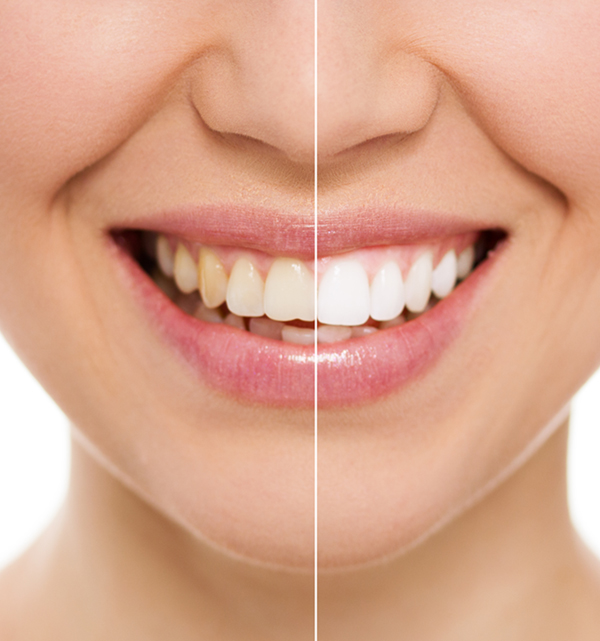
Dental restorations are designed to repair damage, restore function, and improve the appearance of a smile. Whether someone receives a filling, crown, bridge, or implant, the goal is usually the same: long-term stability and comfort.
However, the success of a dental restoration does not depend on the procedure alone. Several factors influence how well a restoration performs over the years. From the health of the surrounding tissue to the habits people practise daily, each element plays a role in how long the restoration lasts.
For example, procedures such as dental implants Oakleigh treatments or other restorative solutions can deliver excellent long-term outcomes when the surrounding conditions support healing and stability.
Understanding the factors that influence restoration results can help patients make informed decisions and protect their dental work over time.
The Health of the Surrounding Teeth and Gums
One of the most important factors affecting restoration success is the condition of the surrounding oral tissues. Healthy gums and strong bone structure provide the foundation needed to support dental restorations.
If gum disease or bone loss is present, it can compromise the stability of treatments such as crowns, bridges, or implants.
Dentists typically evaluate several aspects before beginning restorative work, including:
- Gum health and inflammation levels
- Bone density in the jaw
- Signs of infection or decay in nearby teeth
- Overall oral hygiene
Addressing these issues early helps ensure that restorations are placed in a stable environment.
Quality of the Initial Treatment
The planning and execution of the dental procedure itself are also important. Careful preparation, accurate measurements, and proper placement techniques can significantly influence the outcome.
Dentists often rely on detailed imaging, digital scans, and precise treatment planning to ensure restorations fit comfortably and function correctly.
Factors during treatment that may influence results include:
- Accurate bite alignment
- Proper positioning of the restoration
- Selection of suitable materials
- Thorough preparation of the affected tooth or area
When these elements are carefully managed, restorations tend to perform more reliably over time.
Daily Oral Hygiene Habits
Even the best dental work requires proper care. Daily oral hygiene plays a major role in maintaining restorations and preventing complications.
Plaque and bacteria can still accumulate around restored teeth, which means brushing and flossing remain essential.
Helpful habits include:
- Brushing twice daily with fluoride toothpaste
- Flossing or using interdental cleaners
- Cleaning around restorations carefully
- Using antibacterial mouth rinses if recommended
Consistent hygiene helps prevent decay around restorations and reduces the risk of gum disease.
Diet and Lifestyle Choices
The foods people eat and the habits they maintain can also influence restoration longevity.
Highly acidic foods, sugary snacks, and frequent exposure to staining beverages may affect both natural teeth and restorations.
Lifestyle factors that may impact dental work include:
- Smoking or tobacco use
- Frequent consumption of sugary drinks
- Chewing very hard foods or objects
- Poor hydration that contributes to dry mouth
Making small adjustments to daily habits can help protect restorations and improve overall oral health.
Teeth Grinding and Bite Pressure
Teeth grinding, also known as bruxism, places excessive pressure on teeth and dental restorations. Over time, this pressure can wear down materials or cause fractures.
People who grind their teeth may not always realise it, especially if it occurs during sleep.
Signs of bruxism may include:
- Jaw soreness in the morning
- Flattened or worn teeth
- Frequent headaches
- Sensitivity when biting
Dentists often recommend custom night guards to reduce pressure and protect both natural teeth and restorations.
Regular Dental Check-Ups
Routine dental visits play a crucial role in maintaining restorations. During these visits, dentists can examine the condition of restorations and identify small issues before they worsen.
Professional check-ups often include:
- Monitoring the fit and stability of restorations
- Detecting early signs of wear or damage
- Checking gum health around restored areas
- Performing professional cleaning
Early detection helps extend the lifespan of dental work and prevents minor concerns from becoming more serious problems.
Material Selection and Durability
Different restorative materials have varying levels of durability and aesthetic appeal. Dentists often select materials based on the location of the restoration and the patient’s specific needs.
Common materials include:
- Porcelain
- Ceramic
- Composite resin
- Metal alloys
Each material offers different advantages, such as strength, natural appearance, or resistance to wear.
Choosing the appropriate material helps ensure that the restoration performs well under normal daily use.
Patient Education and Awareness
Patients who understand how restorations function tend to care for them more effectively. Education about proper hygiene, diet, and maintenance encourages long-term success.
Dental professionals often provide guidance on:
- Cleaning techniques for restored teeth
- Foods that may damage restorations
- Signs that indicate a problem
- When to seek professional advice
This information helps patients take an active role in protecting their oral health.
Protecting Your Investment in Oral Health
Dental restorations represent an important investment in both health and confidence. While modern dental treatments are designed to last many years, their success often depends on the habits and care that follow the procedure.
By maintaining good oral hygiene, attending regular dental visits, and making thoughtful lifestyle choices, individuals can significantly improve the longevity of their dental restorations.
With the right approach, restored teeth can remain functional, comfortable, and natural-looking for many years to come.
Read More: Interstate Removals in Australia – A Homeowner’s Guide