
How to Drive a Manual Car With Supervised Practice
- 11 Views
- johansan great
- October 18, 2026
- Reviews
To drive a manual car, coordinate the clutch, gears, accelerator, and brakes under qualified supervision in a lawful safe practice setting. Read the vehicle manual and meet local licensing requirements before driving. This article explains the controls and learning sequence; reading cannot replace practical instruction. Vehicle behavior and parking procedures differ, and a public road is not the place to experiment without the required competence and authorization.
Arrange Appropriate Instruction
Use a qualified instructor and a permitted training environment. Confirm licensing and insurance requirements.
The first useful distinction is between supervised learning and self-testing in traffic. Keeping those separate makes the choice clearer. Driving errors can endanger other people. The practical aim here is lawful controlled practice, rather than rushing through an action without knowing what it should accomplish.
A common problem is practicing alone before readiness. Follow local requirements and instructor guidance. Before moving on, check authorization and suitable supervision. That check gives you a concrete result to use, so you do not have to decide from an impression alone.
Identify the Pedals
In a typical manual, clutch is left, brake middle, accelerator right. Use the left foot for clutch and right for braking and accelerating.
Think of control identification as a specific part of the task. It should not be confused with memorizing without looking. You need reliable access to each control. In practice, a comfortable driving position gives this step a clear purpose and helps you judge whether the approach suits your situation.
If you notice reaching awkwardly for pedals, pause at this point. Adjust the seat and confirm full clutch travel. Look for clear access without stretching before treating the step as complete. The small details matter because a later action cannot always make up for an earlier misunderstanding.
Learn the Gear Pattern
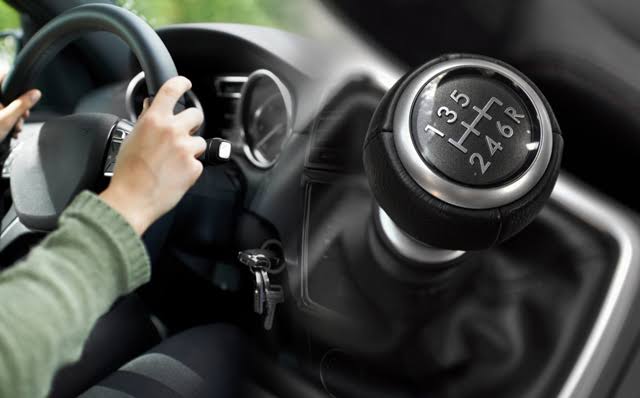
Read the shift diagram and practice with the engine off as instructed. Reverse may require a collar, push-down action, or another lockout.
It helps to decide what the actual gear pattern should achieve before considering a guessed layout. Reverse engagement differs between vehicles. The intended outcome is known gear locations. Keep that outcome in view when choosing among methods, because a method that looks convenient can still miss the actual purpose.
Watch for forcing the lever into an unfamiliar position. Consult the manual and instructor. A useful check is the correct reverse and neutral positions. Make the decision from what you can verify, and avoid treating a familiar-looking result as proof that every important detail is correct.
Prepare to Start
Follow the vehicle procedure, commonly with the clutch fully depressed and neutral selected. Keep the parking brake applied where required.
There is a practical reason to give starting setup its own attention instead of folding it into immediate movement. The car must remain controlled during ignition. The goal is a secure start. Approaching it as a separate decision helps you keep the instructions clear and prevents unrelated details from distracting you.
One avoidable difficulty is unexpected movement during starting. Verify gear and brake state first. Confirm the vehicle held securely. If that confirmation is missing, use the relevant guidance for this step instead of assuming that the rest of the process will compensate.
Learn the Bite Point
With supervision, release the clutch gradually until engagement begins. Use suitable accelerator input and coordinate releasing the parking brake.
At this stage, gradual engagement matters more than abrupt pedal release. Clutch engagement transfers engine drive. You are aiming for a smooth controlled start. A clear target makes it easier to choose a sensible next action and to recognize when the current approach does not fit what you need.
Be careful about stalling or sudden movement. Reapply control and follow the instructor’s correction. Pay attention to predictable movement without rushing. This is the detail that makes the advice usable in a real situation, where conditions may differ from the simplest example.
Shift Up Smoothly
Ease the accelerator as instructed, press clutch fully, select the next suitable gear, then release smoothly and resume power.
Treat coordinated shifting as a decision you can explain, rather than letting speed alone make the decision for you. Gear choice depends on load and vehicle behavior. The purpose is smooth power transfer. That reasoning is useful when you encounter a variation and need to understand which part of the advice still applies.
Do not overlook partial clutch use while shifting. Complete the movement deliberately. Check the gear engaged without forcing. Keeping that point explicit makes the result easier to assess and reduces the chance of continuing simply because you have already invested time in the approach.
Slow Down With Control
Use the brakes appropriately and select a suitable gear for the situation. Avoid coasting with the clutch held down unnecessarily.
The connection between braking and gear choice and automatic downshift habits deserves a closer look. Road conditions determine the correct action. What matters most is controlled slowing. Use that relationship to choose the appropriate method instead of relying on a rule remembered without its original conditions.
A sign to reconsider the approach is coasting without useful engine connection. Follow instructor guidance for timing. Look specifically for appropriate speed and gear. A focused observation is more useful than a broad judgment that something seems right or wrong.
Handle a Stall Calmly
Secure the car, select the appropriate restart setup, and restart according to the manual. Observe surroundings before moving again.
Give priority to recovery when panic would distract from the immediate task. A stalled engine does not remove the need for road awareness. The desired result is a safe restart. Keeping the scope narrow here lets you deal with the relevant issue without adding changes that have no clear purpose.
A frequent source of confusion is rushing movement after restarting. Hold the vehicle and reassess traffic. Verify control restored before setting off. That verification should match the actual situation, not just the appearance of a picture or an example with different conditions.
Learn Hill Starts Properly
Practice with an instructor using the vehicle’s parking brake or supported hill-assist procedure. Do not hold position by slipping the clutch.
Consider the effect of rollback control on the result, compared with balancing on the clutch. Hill methods need coordinated timing. Your aim is secure controlled departure. This is a useful point to distinguish a necessary action from an optional preference, particularly when several possible approaches seem equally convenient.
Take account of rolling backward or overheating the clutch. Use the taught braking method. The detail to confirm is the car held until ready to move. If you need further help, describe that detail precisely so another person can understand the problem without guessing.
Park and Build Skill Gradually
Follow the manual and local guidance for parking brake and gear selection. Progress from simple practice to traffic only when ready.
Finally, connect secure parking and progression with neutral as a universal rule in a way that serves the original purpose. Parking instructions depend on slope and vehicle. The outcome you want is a secured vehicle and realistic learning pace. A good finish checks the result as carefully as the beginning checked the setup.
The issue to avoid is leaving an inadequately secured car. Use the specified parking procedure. Before considering the task finished, confirm the vehicle cannot move unintentionally. That final check helps separate a completed action from a result that is actually suitable for use.
A Practical Example
In a supervised lesson on level ground, first identify controls with the engine off. The instructor then guides a secure start and a short movement using gradual clutch engagement. If the engine stalls, secure the car before restarting. Repeat only in the appropriate learning setting; road complexity increases when basic control is dependable.
A Lesson Sequence for the First Hour
Practice with a qualified instructor in a legal, suitable area and use the particular vehicle’s manual. Before moving, identify the pedals, gear pattern, parking brake, mirrors, and warning lights. The clutch is operated with the left foot; the right foot moves between accelerator and brake. Sit where you can fully depress the clutch without stretching and still control the steering wheel comfortably. A seating adjustment can solve problems that feel like poor coordination.
Start by learning the clutch’s engagement point under supervision. The aim is a controlled transition, not a universal engine speed. Engine type, vehicle weight, road gradient, and the car’s systems change what it needs. Once you can move off and stop predictably, practice the same short sequence several times before adding a higher gear. When stopping, keep braking controlled and use the clutch appropriately before the engine would stall. Your instructor can distinguish when to shift from when to concentrate on traffic and stopping distance.
If the engine stalls, secure the vehicle and follow the instructor’s restart procedure; do not rush because another driver seems impatient. Avoid holding the car on a hill by slipping the clutch. Use the parking brake or the vehicle’s instructed hill-start method. Do not coast for convenience or rest your foot on the clutch between gear changes. The first lesson should build safe routines, including observation and signaling, rather than only the mechanical act of changing gear. A learner who shifts smoothly but forgets to look for pedestrians still needs more practice.
Related Reading
For vehicle preparation, read Little Lioness’s essential car maintenance guide. Safe condition and supervised instruction belong together.
Frequently Asked Questions
Should I rest my foot on the clutch?
Avoid riding the clutch. Keep the foot in the appropriate resting position between actions, following the instructor and vehicle guidance.
Which gear should I use at a certain speed?
No universal speed chart suits every engine, road, or load. Learn vehicle response and follow instruction rather than a rigid number.
Does stalling mean I cannot learn?
No. It is a common learning event, but recovery must be safe. Practice bite-point control with supervision rather than rushing into harder traffic.
Put the Guide Into Practice
Learning a manual car takes supervised repetition of observation, vehicle control, and safe decisions. Build predictable moving-off and stopping habits before adding complexity. Follow the specific vehicle and local learner requirements, and give yourself time to respond safely when a stall or unfamiliar situation occurs.