
How Doors Balance Style and Function
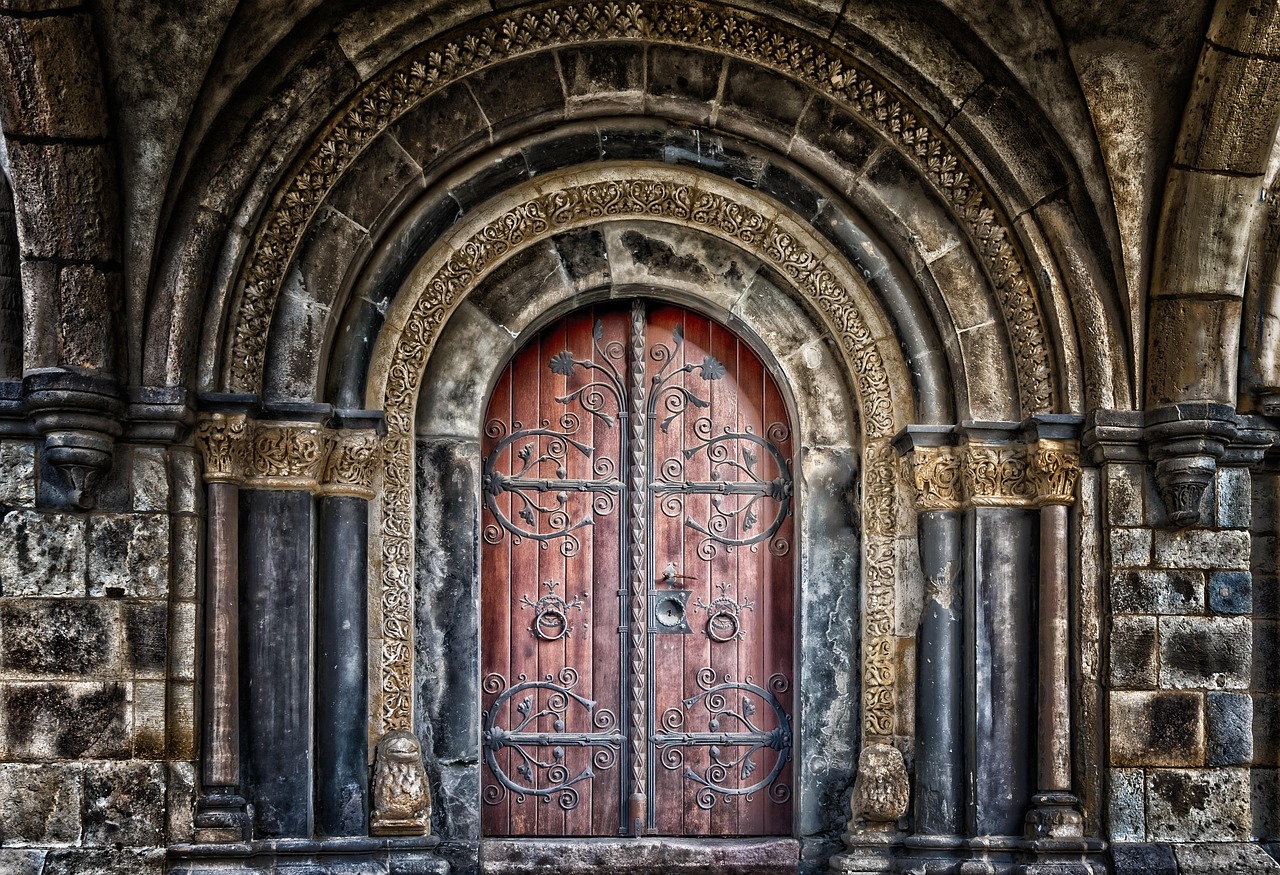
A door is one of the first things people notice about a home, yet it’s rarely given much thought beyond how it looks. We often focus on colour, finish, or design, forgetting that a door also plays a practical role every single day. It needs to protect, insulate, and operate smoothly, all while fitting the overall style of the property.
This balance between appearance and performance is especially clear with entrance doors. They’re expected to make a strong visual impression while handling constant use, weather exposure, and security demands. When either style or function is overlooked, problems tend to show up sooner rather than later.
Understanding how doors achieve this balance can help homeowners make better choices, whether they’re building, renovating, or simply replacing an ageing door.
Why Doors Are More Than a Design Feature
Doors sit at the intersection of aesthetics and engineering. While they contribute to a home’s character, they also form part of its physical envelope, controlling access, temperature, noise, and safety.
A well-designed door should:
- Open and close smoothly without sticking
- Provide a solid barrier against weather and drafts
- Offer appropriate security for its location
- Complement the architectural style of the home
When one of these elements is compromised, the door can quickly become a source of frustration rather than a feature.
First Impressions Matter, But So Does Durability
The visual appeal of a door sets expectations. A modern home might suit clean lines and minimalist finishes, while a traditional property may call for classic panels or natural timber tones. However, looks alone don’t determine whether a door will perform well over time.
Materials play a major role here. Timber offers warmth and character but requires maintenance. Steel and aluminium provide strength and durability but can feel cold if not designed carefully. Composite materials aim to bridge the gap, offering visual flexibility with improved resistance to wear and weather.
Choosing a door that suits both the climate and the home’s style is key to maintaining its appearance and performance long term.
Everyday Use Shapes Functional Design
Doors are among the most frequently used elements in a home. This constant movement puts stress on hinges, frames, and locking mechanisms.
Functional considerations often include:
- Weight and balance, affecting how easily the door moves
- Quality of hinges and hardware
- The fit between the door and frame
Even a beautifully designed door can become annoying if it slams shut, drags along the floor, or requires force to open. These issues are often the result of poor design choices or unsuitable materials rather than wear alone.
The Role of Insulation and Energy Efficiency
Modern homes are expected to be energy efficient, and doors play a surprisingly large role in this. Gaps, poor seals, or thin materials can allow heat to escape in winter and enter in summer, increasing energy costs.
Well-designed doors incorporate:
- Insulated cores
- Tight-fitting seals
- Frames that minimise thermal bridging
These features are rarely visible, but they significantly affect comfort. A door that balances style and function will look good while quietly supporting a comfortable indoor environment.
Security Without Compromising Appearance
Security is a non-negotiable function of many doors, especially those at the front of a home. Strong locks, reinforced frames, and impact-resistant materials all contribute to safety.
The challenge is integrating these features without making the door look industrial or uninviting. Advances in design mean that high-security doors no longer need to look bulky or severe. Thoughtful detailing allows strength to be built in discreetly, preserving visual appeal.
How Hardware Influences Both Look and Feel
Handles, locks, and hinges are often treated as finishing touches, but they influence both usability and style. Poor-quality hardware can undermine an otherwise well-made door, leading to loose handles, stiff locks, or uneven movement.
On the other hand, carefully chosen hardware:
- Enhances the door’s visual style
- Improves ease of use
- Extends the door’s lifespan
Matching hardware design to the door’s overall aesthetic helps create a cohesive look while supporting daily function.
Adapting to Different Spaces and Needs
Not all doors serve the same purpose. A front door has different requirements to an internal door or a door leading to a garage or patio. Each location demands a different balance of openness, privacy, insulation, and security.
Considering how a space is used helps determine:
- The best materials
- Appropriate thickness and weight
- Required levels of sound and thermal insulation
This tailored approach prevents over-engineering or underperforming solutions.
Common Trade-Offs to Avoid
Problems arise when doors are chosen based on a single factor. Prioritising style without considering function can lead to maintenance issues, while focusing only on performance can result in a door that feels out of place.
Some common mistakes include:
- Selecting doors purely for appearance
- Ignoring climate and exposure conditions
- Choosing low-quality hardware to cut costs
A balanced decision weighs immediate visual impact against long-term usability.
Making Thoughtful Choices
Doors quietly influence how a home feels and functions. When chosen carefully, they enhance daily life without drawing attention to themselves. When chosen poorly, they become a constant reminder of compromises made.
By understanding how doors balance style and function, homeowners can make choices that stand the test of time. The best doors don’t force a decision between looking good and working well. They do both, seamlessly, every day.
- architectural doors
- door aesthetics
- door construction
- door design
- door functionality
- door hardware
- door installation
- door materials
- door types
- doors
- energy efficient doors
- exterior doors
- functional doors
- glass doors
- home design elements
- home door design
- Home Improvement
- interior doors
- metal doors
- modern door styles
- residential doors
- security doors
- space saving doors
- stylish doors
- wooden doors