
2 Weeks After Liposuction Photos: What to Expect Week by Week, Healing Milestones, and Realistic Results
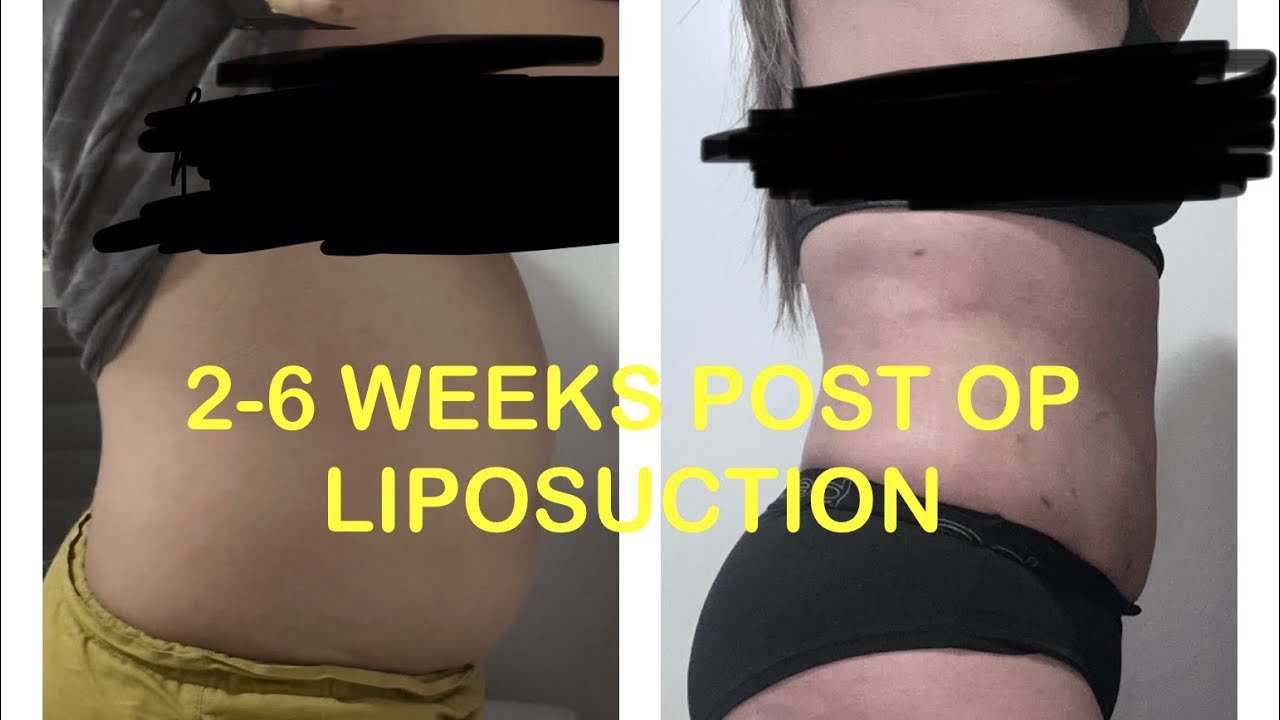
If you’re researching liposuction, you’re not alone, and one of the most common things people search for is 2 weeks after liposuction photos because that timeframe sits right in the middle of the most confusing part of healing. You’ve made it past the immediate soreness of the first few days, but you’re not yet at the “final results” stage either. At two weeks, many patients feel better physically but still look swollen, uneven, or even temporarily larger than expected, which can trigger doubts if you don’t understand how recovery actually progresses.
This urge to visually compare progress is similar to how people review before and after photos to understand gradual cosmetic changes, such as these detailed examples of full Brazilian laser hair removal before and after photos.
Liposuction is a body-contouring surgery designed to remove fat deposits that don’t respond well to diet and exercise. It is not a weight-loss procedure, and it doesn’t automatically tighten loose skin. The goal is improved shape and proportion, not a dramatic change on the scale. This distinction matters because many people compare their body at two weeks to highly polished imagery online, much like comparing real recovery to stylized beauty and lifestyle photo collections seen in curated Chicas Bonitas photos, rather than realistic healing stages.
There are several liposuction techniques used today, including tumescent, power-assisted, ultrasound-assisted, and laser-assisted approaches. Despite these differences, the recovery pattern is broadly similar across methods. Swelling, bruising, firmness, and gradual contour refinement tend to follow predictable phases. Appearance differences during recovery often come down to lighting, angles, and timing, much like how photos of large travel hubs can look completely different depending on perspective, as shown in various Dulles International Airport photos.
The first two weeks after liposuction are usually a mix of improvement and surprise. Pain often decreases quickly, but swelling can peak and shift unpredictably. You may look better in the morning and puffier by evening. Compression garments help guide healing, but they don’t eliminate swelling instantly. Recovery is incremental, similar to following a complete step-by-step process rather than expecting instant results, much like this detailed how to change a tire guide for cars, bikes, motorcycles, and more.
During days one through three, soreness, tightness, and fatigue are common. Many patients describe the sensation as a deep bruise rather than sharp pain. Compression is worn continuously, gentle movement is encouraged, and rest is prioritized. This phase is about stabilization and protection, similar to the controlled setup environments seen in behind-the-scenes The Salt Shed photos before events are fully underway.
From days four through seven, mobility improves and reliance on pain medication usually decreases. Bruising may become more visible during this stage, and swelling can appear uneven or lumpy. This visual overload can feel alarming at first, much like walking through expansive displays shown in Minnesota’s largest candy store photos before everything feels organized.
Week two is often the most mentally challenging phase. You may feel functional again, return to desk work, and expect visible improvement, yet your body is still managing inflammation. Evaluating results too early is similar to judging unfinished interiors before lighting and layout are complete, as seen in various RH Indianapolis photos.
At exactly two weeks, swelling is still common, bruising may be fading but not gone, and treated areas can feel firm, tender, or numb. Clothing fit often fluctuates daily. Some people notice hard bands or uneven areas under the skin, which are part of normal tissue healing.
It’s also common for the body to look temporarily larger before it looks smaller. Liposuction removes fat but leaves behind tunnels that fill with fluid during healing. As the lymphatic system clears this fluid, swelling gradually decreases. Comparing day-to-day changes instead of week-to-week trends can make progress harder to see.
Compression garments play a key role at this stage. They help control swelling and encourage skin adherence, but they can also create temporary dents or lines that fade as swelling decreases. Consistency and proper fit matter more than extreme tightness.
Swelling at two weeks varies widely between patients, which is why 2 weeks after liposuction photos online can be misleading. Lighting, posture, angles, and editing all influence appearance. The most reliable comparison is your own progress over time.
Between weeks three and five, many patients experience a noticeable turning point. Swelling begins to reduce more clearly, bruising resolves, and contours start to emerge. Firm areas may feel more noticeable as superficial swelling decreases, but they typically soften over time.
Around six weeks and beyond, results become more predictable. While a large portion of swelling has usually resolved, refinement continues for months as tissues remodel and adjust, especially after larger-volume procedures or multiple treatment areas.
Healing can also vary by body area. Two weeks after thigh liposuction often shows lingering swelling because the thighs are constantly in motion and slower to drain fluid. Arms may show puffiness near the elbow and visible compression marks due to frequent use, which usually improves with time.
Supporting recovery doesn’t require extreme measures. Hydration, adequate protein intake, balanced nutrition, gentle walking, consistent compression use, and quality sleep form the foundation of healthy healing. Avoid smoking, excessive salt, and early intense exercise.
If you experience worsening pain, signs of infection, unusual drainage, shortness of breath, or dramatically unequal swelling with pain, it’s important to contact your surgeon rather than relying on online comparisons.
The best way to use progress photos is to take your own images every one to two weeks in consistent lighting and posture. Two-week photos are checkpoints, not final results.
Two weeks after liposuction usually means you feel noticeably better but may still look swollen, firm, or uneven. That’s normal. With proper aftercare, clearer improvements often appear between weeks three and six, with continued refinement for several months. Two weeks is not the finish line; it’s part of the healing journey.
Frequently Asked Questions About 2 Weeks After Liposuction
Is it normal to still look swollen 2 weeks after liposuction?
Yes. Swelling commonly peaks or fluctuates around the two-week mark. Most patients still retain fluid at this stage.
Why do I look uneven or lumpy at two weeks?
Uneven swelling, firmness, and temporary lumps are usually caused by fluid shifts and healing tissue. These typically improve over the following weeks.
Should my compression garment still feel tight at two weeks?
Compression should feel supportive but not painful. Over-tightening can irritate healing tissues. Follow your surgeon’s instructions for fit and duration.
Can swelling make me weigh more after liposuction?
Yes. Fluid retention can temporarily increase scale weight even though fat has been removed. Weight usually stabilizes as swelling resolves.
When will my final liposuction results be visible?
Many patients see clearer contours by six weeks, but final results can take three to six months as tissues fully heal and remodel.
- 2 weeks after liposuction photos
- body contouring results
- cosmetic surgery recovery photos
- liposuction after 2 weeks
- liposuction before and after
- liposuction healing photos
- liposuction progress photos
- liposuction recovery photos
- liposuction recovery timeline
- liposuction swelling week 2
- liposuction week 2 results
- post liposuction results