
How to Write a Check Correctly With a Clear Example
- 9 Views
- johansan great
- October 9, 2026
- Reviews
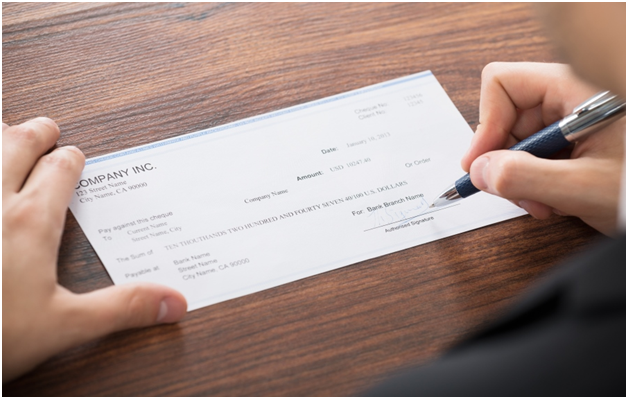
To write a check, fill in the date, payee, amount in numbers, amount in words, and your signature. Add a memo when it helps identify the payment, then record the transaction before handing over the check. This guide uses a common United States personal check layout; checks in other countries and individual bank requirements can differ.
Although many payments happen online, paper checks still appear in rent payments, service bills, gifts, and business transactions. The task is simple when you understand each field, but a wrong name or conflicting amount can delay payment. Treat the check as a financial instruction, not just a form to fill quickly.
Start With the Right Check and Enough Funds
Use a check for an account that is open and yours to operate. Verify that the printed bank and account information is correct, especially if you recently changed accounts. A check from an old checkbook may look perfectly normal even though the account can no longer make the payment.
Check your available funds while accounting for transactions that have not yet cleared. The balance in an app may not subtract every outstanding paper check. If you have already promised the same funds to another payment, writing a new check can create an overdraft or returned payment.
Use a pen with permanent ink and write clearly. Avoid pencil and do not leave a signed blank check for someone else to finish. If the checkbook is shared, agree on how payments will be recorded so that one person’s transaction does not surprise the other.
Write the Date
Enter the date in the designated field, usually near the upper right corner. Use a clear format that the recipient and bank can understand. Writing the month as a word can prevent confusion between month-first and day-first formats when people have different regional habits.
For an ordinary immediate payment, use the current date. If you are considering a future date, ask your bank how it handles postdated checks. A date written in the future should not be treated as a guaranteed barrier that prevents earlier processing.
Make sure the date is legible and consistent with your records. When paying a bill, record the date you issued the check as well as its number. That information helps you find the transaction later if the recipient says the payment has not arrived.
Enter the Payee’s Correct Name
On the line beginning Pay to the order of, write the person or organization’s name. For a company, use the payment name shown on the invoice or confirmed directly by the company. A trading name and a legal payment name are not always identical.
Ask when you are uncertain. A quick name check is easier than replacing a check that a bank or recipient cannot accept. Do not rely only on an informal nickname, especially for business payments. Keep the wording complete and avoid leaving a large blank space before or after the name.
Writing Cash as the payee makes the check less specific about who can present it. Use a named recipient whenever practical. If you need cash from your own account, ask your bank about the best way to complete that transaction rather than leaving the recipient field vague.
Write the Amount in Numbers
Enter the payment amount in the small amount box. For a payment of eighty-six dollars and forty cents, write 86.40. Include the cents even if the amount is a whole number, such as 86.00, so that the intended value is clear.
Start near the left side of the available space. Avoid unnecessary gaps where extra digits could be inserted. Use a normal decimal point and check the number against the invoice. A misplaced decimal can turn a modest bill into a much larger payment instruction.
Read the number aloud to yourself before moving on. This simple habit catches transposed digits, especially when paying several bills in one sitting. The amount box should match the written amount exactly; do not expect the recipient to infer which one you meant.
Write the Amount in Words
On the long amount line, write the dollar amount in words and the cents as a fraction out of one hundred. For 86.40, a conventional form is Eighty-six and 40/100. The printed word Dollars often appears at the end of the line, so you do not need to squeeze it in twice.
For a whole dollar amount, write 00/100 after the word and. For 125.00, use One hundred twenty-five and 00/100. Clear wording matters more than decorative handwriting. If you are unsure of a number’s spelling, check it before writing on the final check.
Draw a line through unused space after the completed amount when appropriate for the check layout. This makes later additions harder. If you make a significant error, use a new check and mark the mistaken one void rather than creating a confusing collection of overwriting and corrections.
Add a Useful Memo
The memo field can describe the purpose of the payment, such as April rent or Invoice 417. An account or invoice number may help the recipient apply the money correctly. Use the reference requested on the bill when one is provided.
The memo is generally different from the fields that instruct the bank whom to pay and how much. Do not rely on a memo to fix an incorrect payee or amount. It should clarify a valid payment, not contradict another part of the check.
Avoid adding information the recipient does not need. Sensitive identifiers should not be placed on a check casually. If a business asks for an unusual personal detail, verify why it is required and whether a less revealing reference will work.
Sign the Check Last
Sign on the signature line using the signature associated with the account. The signature authorizes the payment, so complete and review the other fields first. Keeping blank checks unsigned reduces the harm if a checkbook is misplaced or stolen.
Make sure the signature stays in its designated area. Do not write across the machine-readable numbers along the bottom. Those printed numbers help banks identify and process the check. Altering them can interfere with payment and is not part of filling out a normal check.
Review the completed check before releasing it. Compare the payee with the invoice, compare both amount fields, and verify the date and signature. This final check takes only a moment and can prevent a recipient from needing to contact you about an avoidable error.
Record the Payment Immediately
Record the check number, date, payee, amount, and purpose in your check register or budget system. Subtract it from the funds you consider available, even if your banking app has not shown the payment yet. The recipient may wait before depositing it.
Keep outstanding checks visible in your records. When the transaction appears at the bank, mark it cleared and compare the amount. If it remains outstanding for an unusual time, contact the recipient before assuming the money is free to spend again.
Little Lioness’s article on personal checks and payment convenience provides related reading. Processing times and costs vary, so use your own bank’s current information for decisions about fees, funds availability, and replacement payments.
A Complete Worked Example
Suppose you are paying Green Street Repairs an invoice for 245.75. Put the current date in the date field. Write Green Street Repairs on the payee line, 245.75 in the amount box, and Two hundred forty-five and 75/100 on the long amount line.
Add the invoice number in the memo field and sign after checking all entries. Record the check number and subtract 245.75 from your available budget. The check itself tells the bank the payment instruction, while your record tells you why the payment exists and when you issued it.
Do not copy this example’s payee or amount onto a real check unless they match your actual payment. A practice version can be written on plain paper with made-up details. Never publish a photograph of a genuine completed check, because it exposes account and routing information alongside your signature.
Handle Mistakes and Missing Checks
If you notice a mistake before giving away the check, mark it VOID and retain or securely destroy it according to your recordkeeping needs. Note the unused number so it does not appear to be a missing payment. Write a fresh check with the correct information.
If a delivered check is lost, contact the bank promptly about stop-payment procedures and possible fees. Coordinate with the recipient before issuing a replacement. Otherwise, both the original and replacement may be presented, creating a payment problem you did not intend.
A check image or payment confirmation can help you investigate a disputed transaction. Share those records only through an appropriate secure channel. If you see an unfamiliar check payment, report it to the bank quickly and follow its instructions for protecting the account.
Frequently Asked Questions
Do I Need to Fill In Every Field
The essential fields normally include the date, payee, amount, and signature, while a memo is often optional. Specific bank and recipient requirements can differ. A bill may require a reference number even when the bank does not. Ask the recipient if you need the payment applied to a particular account.
What if the Two Amounts Do Not Match
Avoid handing over a check with conflicting amounts. Banks may have rules for interpreting discrepancies, but relying on those rules creates uncertainty and can delay processing. Void the incorrect check and write a new one. If it has already been delivered, contact the recipient and your bank about the safest correction.
Is an Electronic Check the Same as a Paper Check
They may draw on similar bank account information, but the authorization and processing steps can differ. Follow the payment service’s instructions and verify who receives the information. Do not send your banking details to an unverified website simply because it uses familiar check terminology.
Write Clearly and Keep a Record
Once you know how to write a check, the most useful habits are accuracy and immediate recordkeeping. Name the recipient, make both amounts agree, sign only a completed check, and track outstanding payments. Clear instructions protect the payment, while clear records protect your budget.