
Understanding Photos of Breast After Radiation Therapy
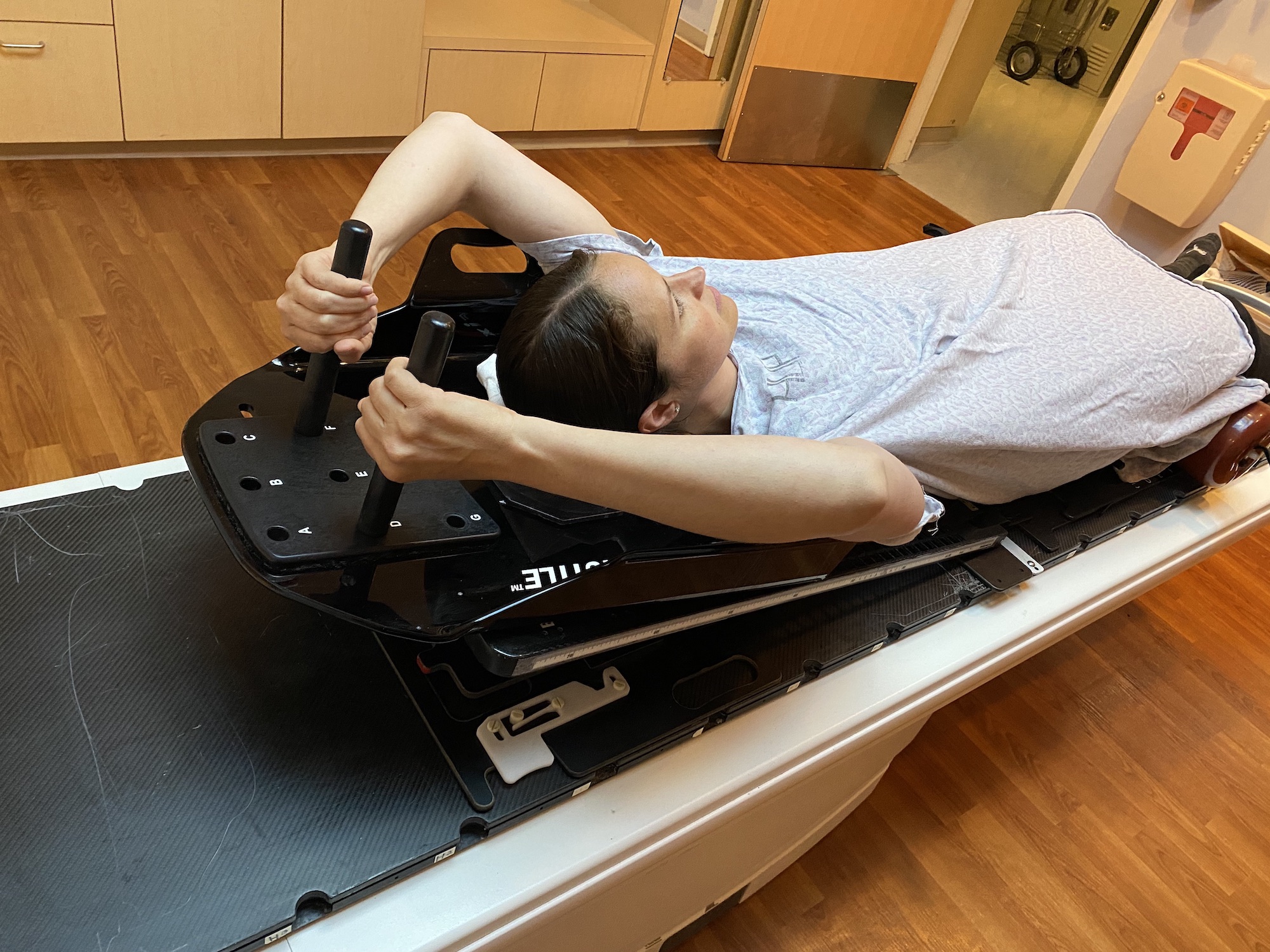
Searching for photos of breast after radiation therapy is a common and completely understandable step for people preparing for or recovering from breast cancer treatment. Visual references can help patients set realistic expectations, reduce fear of the unknown, and feel less alone in their experience. Radiation therapy is a powerful and effective treatment, but it can also cause visible changes to the breast that vary widely from person to person. Understanding what those changes may look like and why they occur is an important part of emotional and physical healing.
This article explores why people look for these images, what changes are commonly seen, how healing progresses over time, and how to care for the breast after treatment. The goal is not to alarm, but to inform and reassure with accurate, compassionate information.
Why People Search for Visual References After Treatment
Radiation therapy affects the skin, tissue, and sometimes the shape of the breast. Many patients feel that written descriptions alone do not fully explain these changes. Photos can provide clarity by showing a range of outcomes, from very mild skin changes to more noticeable long-term effects.
People often search for photos because they want to compare their own healing process with others, understand whether their symptoms are normal, and prepare emotionally for what their body may look like. It is important to remember that no two bodies respond exactly the same way to radiation, so images should be viewed as examples rather than predictions.
Recent: Awkward JCPenney Photos: Why These Portraits Became an Internet Phenomenon
What Radiation Therapy Does to Breast Tissue
Radiation therapy works by damaging the DNA of cancer cells so they cannot grow or divide. While it is targeted, nearby healthy tissue can also be affected. In the breast, this can result in temporary or permanent changes to the skin and underlying tissue.
During treatment, the skin may become red, dry, or irritated, similar to a sunburn. As treatment continues, some people experience peeling, darkening of the skin, or tenderness. After treatment ends, the body begins repairing itself, but some changes may remain.
The appearance of the breast after radiation therapy depends on factors such as radiation dose, treatment area, skin sensitivity, breast size, and whether surgery was also performed.
Recent: Joey Dallas Photos: Visual Media and Public Image
Common Skin Changes Seen in Photos
When looking at photos of breast after radiation therapy, several recurring skin-related changes are often visible. These include redness that ranges from light pink to deep red, areas of darker pigmentation, and dryness or flaking. In some cases, the skin may look shiny or slightly swollen.
Over time, redness usually fades, but pigmentation changes can last months or longer. Some people notice that the treated breast looks tanned compared to the untreated side. These visual differences are normal and often lessen gradually.
Texture and Firmness Changes Over Time
Beyond skin appearance, radiation can affect the texture of the breast. Some photos show mild swelling or firmness caused by inflammation or fluid buildup. In the months following treatment, scar tissue may form, making the breast feel firmer than before.
This firmness, known as fibrosis, can be subtle or more noticeable. In photos, it may appear as a slightly altered shape or less natural contour. Gentle massage, stretching, and physical therapy may help improve flexibility over time.
Recent: Funny Venmo Captions: A Complete Guide to Making Payments Way More Entertaining
Long-Term Visual Differences Between Breasts
In people treated on one side, visual comparisons between breasts are common. Photos often show differences in size, shape, or skin tone. The treated breast may appear slightly smaller or sit higher on the chest due to tissue tightening.
These differences can affect body image, especially for those who valued symmetry before treatment. It is important to acknowledge these feelings and remember that healing includes emotional acceptance as well as physical recovery.
Emotional Impact of Seeing Post-Treatment Images
Viewing photos can bring comfort, but it can also stir up anxiety or self-consciousness. Some people feel relieved when they see mild changes, while others worry when they notice more dramatic examples. Both reactions are valid.
It is helpful to view images alongside medical guidance rather than in isolation. Doctors, nurses, and radiation therapists can explain which changes are likely temporary and which may be long-lasting. Support groups also play a key role in helping people process these emotions.
Recent:Does Post Malone Have a Wife and Kids? A Deep Dive Into His Love Life, Family, and Fatherhood
Healing Stages After Radiation Therapy
The healing process happens in stages. In the weeks immediately following treatment, skin reactions may peak before slowly improving. Photos taken during this time often show redness and irritation.
In the following months, the skin usually calms, dryness resolves, and pigmentation begins to even out. Photos taken six months to a year later often show significant improvement, though subtle differences may remain. Understanding this timeline helps set realistic expectations and reduces unnecessary worry.
Importance of Proper Aftercare
Proper care plays a major role in how the breast heals visually and physically. Following medical advice closely can minimize discomfort and support healthier-looking skin. This includes gentle cleansing, avoiding harsh products, and protecting the area from sun exposure.
Skin care after radiation therapy for breast cancer is especially important during the first few months after treatment ends. Using recommended moisturizers, wearing soft clothing, and avoiding friction can help the skin recover more smoothly and may improve long-term appearance.
Recent: Maximizing Your Fun: Creative Ways to Use Shuffle Bonus Codes for Extra Rewards
Understanding Side Effects and Their Visual Signs
Radiation therapy can cause a range of effects, and not all are immediately visible. Some photos capture swelling or redness, but others reflect deeper tissue changes that develop slowly.
Side effects breast after radiation therapy may include lingering tenderness, changes in sensation, or tightness. These symptoms do not always show clearly in photos, but they influence how the breast looks and feels. Monitoring these changes and reporting concerns to a healthcare provider is essential.
Why Photos Online Vary So Widely
One reason online images look so different from each other is that treatment plans are highly individualized. Some people receive radiation after lumpectomy, others after mastectomy, and some undergo reconstruction. Each scenario affects appearance differently.
Lighting, camera angle, and time since treatment also influence how photos look. This is why comparing oneself too closely to any single image can be misleading. A wide range of appearances can still fall within the scope of normal healing.
Recent: What Does “MB” Mean in Text? A Complete Guide to Understanding This Popular Slang Term
Talking to Your Medical Team About Appearance Concerns
If visual changes are distressing, it is important to talk openly with your care team. Radiation oncologists and nurses are familiar with cosmetic concerns and can suggest treatments or referrals when needed.
Options may include topical medications, physical therapy, or consultations with specialists who focus on post-cancer body changes. Addressing concerns early can improve both comfort and confidence.
FAQ
Are changes in breast appearance after radiation permanent?
Some changes are temporary and improve within months, while others, such as mild firmness or pigmentation changes, may last longer. Every person’s recovery is different.
Is it normal for one breast to look different after treatment?
Yes, especially if only one side was treated. Differences in size, color, or shape are common and usually not a medical concern.
When should I be concerned about skin changes?
If you notice open sores, signs of infection, or worsening pain, contact your healthcare provider. Most skin reactions gradually improve after treatment ends.
Can appearance improve years after radiation?
Yes, healing can continue for a long time. Some people notice gradual softening and improved texture even years later.
Should I avoid looking at photos if they increase anxiety?
If images cause distress, it may be healthier to rely on guidance from your medical team or support groups rather than online photos.
Recent: Rhyme Without Reason: 75+ Hilarious, Creative, and Unforgettable Costume Ideas for Any Party
Conclusion
Looking at photos of breast after radiation therapy can be a powerful way to prepare, learn, and feel less isolated during recovery. These images show the wide range of normal outcomes and remind us that healing is not a single moment but an ongoing process. While visual changes can be challenging, they often soften with time and proper care. By understanding what radiation does to the body, practicing good aftercare, and seeking emotional support when needed, individuals can move forward with greater confidence, self-compassion, and hope.