
How to Get Rid of Gnats in Houseplants and Around the Home
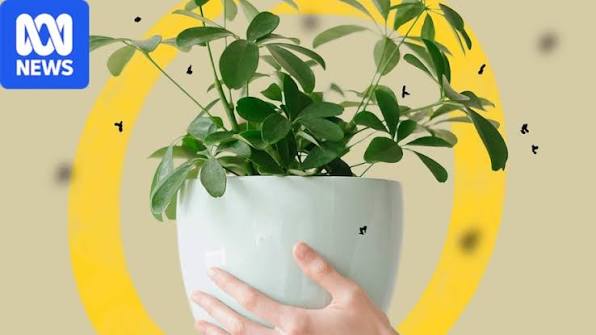
To get rid of gnats, identify where they are developing and remove or manage that habitat. If they are fungus gnats around houseplants, adjust watering, improve drainage, and target larvae when needed. Sticky traps catch adults and help you monitor progress, but they do not remove every stage living in the soil.
The word gnat is used loosely for several small flies. Insects near fruit, drains, and plant pots may require different solutions. This guide focuses on indoor fungus gnats while explaining how to avoid misidentification. Knowing the source is more useful than choosing a spray based only on the insect’s size.
Identify the Insect and Its Main Location
Fungus gnats are small, slender, dark flies often seen walking or hovering near potting soil. Their larvae develop in damp material associated with fungi and decaying organic matter. Adults may gather at windows, so the place where you see them is not always the breeding site.
Fruit flies more often associate with fermenting produce and drinks, while drain flies can have fuzzy wings and a mothlike appearance. Photograph a resting insect if you need help distinguishing them. A reliable extension resource or pest professional can confirm identification.
Look across the home rather than assuming one visible plant is responsible. Several pots may remain wet, and a leak or another damp source can complicate the problem. Make a short list of places where adults are most common so the investigation stays organized.
Inspect the Potting Mix
Check how long the soil stays wet after watering. A pot that remains saturated may have poor drainage, a heavy mix, or a plant using less water than expected. Cooler weather and lower light can reduce water use without any change in your watering schedule.
Look for dead leaves and decaying material on the surface. Remove debris carefully without disturbing healthy roots. Inspect saucers and decorative outer pots for standing water. A drainage hole cannot help if the inner pot sits in accumulated water.
Do not blame the plant itself. Fungus gnats are usually a sign that conditions suit their life cycle. Improving those conditions can help both pest control and root health, but the right change depends on the plant’s needs.
Adjust Watering to the Plant
Allow the surface of the potting mix to dry more between waterings where the plant can tolerate it. Check moisture rather than watering every pot on the same calendar. Plants with different roots, sizes, and light exposure need different schedules.
Do not dry a moisture-loving plant to the point of wilting simply to kill insects. The goal is a healthier moisture pattern, not severe stress. Use plant-specific care guidance and adjust gradually when you are uncertain about its requirements.
Water thoroughly when needed, then let excess drain away. Empty standing water from the saucer or outer pot. Frequent tiny additions can keep the surface constantly damp while doing little to establish a clear wet-to-dry cycle.
Improve Drainage and Pot Choice
Make sure the growing pot has suitable drainage holes and that they are not blocked. A decorative container without drainage should normally hold an inner pot that can be removed and drained. Do not leave the plant permanently sitting in water unless its care genuinely requires that setup.
Choose a pot size suited to the roots. A much larger pot contains extra mix that can stay wet after the plant has used the moisture near its roots. Repotting into an appropriately sized container can help when overpotting is part of the problem.
Little Lioness’s article on routine home maintenance is related reading for inspecting moisture and neglected corners. Pest control becomes easier when the surrounding environment is checked alongside the visible insects.
Use Yellow Sticky Cards for Monitoring
Place yellow sticky cards near the soil surface according to the product instructions. They can catch adult fungus gnats and show whether activity is increasing or decreasing. Position them where they will not trap pets, brush against people, or interfere with normal plant care.
Count or photograph the catches at consistent intervals. Replacing cards on a predictable schedule makes comparison easier. A heavily covered card may show adult activity but does not prove that the larvae have been controlled.
Use traps as part of a broader plan. If watering remains excessive and larvae keep developing, new adults can replace those caught. Fewer catches over several checks, together with improved soil conditions, is more useful evidence than one full trap.
Target Larvae When Needed
Products containing Bacillus thuringiensis israelensis, often shortened to Bti, can target certain fly larvae when labeled for the intended use. Choose a product whose instructions cover your situation and follow its preparation, application, and repeat schedule. Not every mosquito product is appropriate for every indoor plant use.
Beneficial nematodes may also be available for fungus gnat control. They need suitable handling and application conditions. Read storage instructions and use a reputable supplier’s guidance. Living control agents are not interchangeable with shelf-stable sprays.
These approaches work on a different stage from sticky cards. Combining adult monitoring with a suitable larval treatment can be useful for a persistent problem. Continue managing moisture so the pot does not remain an ideal habitat after treatment.
Repot Only When It Helps
Repotting may be appropriate if the mix stays wet, drainage is poor, or the plant needs a better growing medium. Use a clean container and fresh mix suited to the species. Avoid moving every plant abruptly when a watering adjustment may solve the main issue.
Handle roots gently and follow normal repotting care. A stressed plant can suffer if washed or disturbed excessively. Inspect for decay and seek plant-specific advice when roots appear unhealthy. Pest treatment should not damage the plant more than the insects do.
Dispose of old infested mix appropriately rather than leaving it beside the indoor plants. Clean the work area and tools. Keep a newly repotted plant under observation so you can see whether the change improved moisture behavior and adult activity.
Avoid Unverified Home Remedies
Household chemicals, concentrated oils, and improvised soil drenches can injure roots or expose people and pets. A recipe shared online may omit the plant species, concentration, and safety conditions. Do not assume natural means harmless or that more concentrated means more effective.
A thick layer of a surface material may change watering and obscure what is happening below. It does not necessarily control larvae throughout the pot. If you try a physical modification, understand its effects on the plant and evaluate the result rather than relying on appearance.
Never mix cleaning chemicals or apply products to soil unless the label supports that use. Use a targeted plan based on identification and growing conditions. Random treatments make it harder to determine which step helped and can create avoidable damage.
Check New Plants and Stored Soil
Inspect incoming plants before placing them among your collection. Look for adults near the soil and assess how wet the mix is. A short observation period in a separate suitable area can reveal a problem before it spreads across many pots.
Store potting mix so it does not remain open and damp indoors. Follow the product’s storage instructions and keep bags away from leaks. A bag of moist organic material can become another overlooked source when you focus only on planted containers.
Clean trays and shelves beneath the plants. Spilled mix, dead foliage, and standing water can maintain damp pockets. A tidy growing area makes moisture patterns and insect activity easier to see.
Investigate Other Damp Sources
If there are no houseplants or the problem persists after their conditions improve, look for leaks, damp stored material, or another indoor fly species. Gnats around a bathroom may require a different investigation from those emerging when you water a pot.
Do not open walls or disturb electrical areas to search for a hidden source. A persistent moisture problem may need a plumber, building professional, or pest specialist. Tell them where insects appear and what you have already ruled out.
Little Lioness’s guide to pest control basics is a relevant companion for a wider inspection. The important connection is between the insect’s habitat and the treatment, not the number of products you apply.
Allow Time for the Life Cycle
You may still see adults after improving watering or applying a larval treatment. Existing stages do not all disappear at once. Follow the treatment instructions and watch the trend over several weeks rather than switching methods after one day.
Keep a simple record for each affected plant: watering date, soil moisture, treatment date, and trap catches. This helps distinguish a slow improvement from an ongoing source. A few clear observations are more useful than constant inspection without notes.
If numbers remain high, verify identification again and check whether every affected pot received the correct care. An untreated pot or stored bag can keep activity going. Once control improves, maintain the watering changes that suited the plants.
Frequently Asked Questions
Will Vinegar Traps Remove Fungus Gnats
They are not the main solution for larvae in potting mix. Vinegar traps are more commonly associated with fruit flies. Identify the insects and use monitoring suited to fungus gnats, along with moisture management and any appropriate larval control.
Are Fungus Gnats Dangerous
Indoor fungus gnats are usually a nuisance, and many established plants tolerate them. Larval activity and excessively wet conditions can be more concerning for seedlings or vulnerable roots. Assess the plant’s health as well as the insects, and address poor growing conditions promptly.
Should I Stop Watering All My Plants
No. Different plants need different moisture levels, and severe drying can damage them. Adjust watering based on each plant and the actual mix. The aim is to avoid unnecessary persistent wetness while keeping the plant healthy, not to replace one problem with another.
Match the Solution to the Source
Knowing how to get rid of gnats starts with identifying the insect and its habitat. For fungus gnats, improve moisture management, monitor adults, and target larvae when necessary. A healthy plant routine is the strongest basis for lasting control.