
How to Get Rid of Fruit Flies and Stop Them Returning
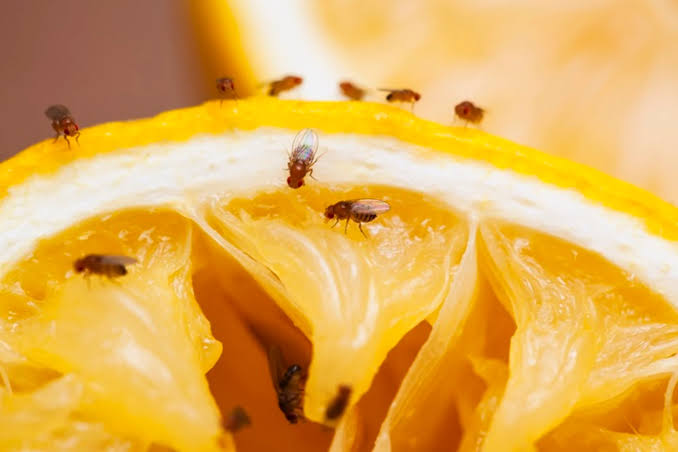
To get rid of fruit flies, remove the material where they breed, clean hidden food residue, and use traps to reduce the remaining adults. A bowl of vinegar may catch flies, but it cannot solve an infestation while fermenting fruit, sticky recycling, or wet food waste remains nearby. Source removal is the main job.
Fruit flies are often noticed around ripe produce, drinks, bins, and kitchen surfaces. They can multiply quickly when suitable material is available, so a small problem can become frustrating within days. A systematic inspection works better than spraying every visible insect and hoping the next generation disappears.
Confirm That the Insects Are Fruit Flies
Common fruit flies are small and often tan, with darker abdominal markings and noticeable eyes. They are associated with fermenting produce and liquids. Fungus gnats are generally darker and slimmer and often gather near damp houseplant soil. Drain flies have a different fuzzy, mothlike appearance.
Where you see the insects helps identify them. Flies hovering over bananas suggest a different source from insects emerging around a plant pot. Do not rely on size alone, because several small indoor flies can look similar at a glance.
If identification is uncertain, photograph a resting insect and consult a reliable extension resource or pest professional. Choosing the wrong treatment wastes effort. A fruit-based trap will not address larvae living in potting soil, and watering changes will not remove fermenting waste beneath a kitchen bin.
Remove Overripe and Damaged Produce
Inspect fruit bowls, potatoes, onions, and other stored produce. Remove spoiled items and check beneath them for leaking juices. One damaged piece hidden at the bottom of a basket can sustain the problem even after the visible fruit looks fresh.
Refrigerate suitable ripe produce while you deal with the infestation. Keep items that should remain outside in a clean area and inspect them regularly. Do not leave fruit scraps exposed after preparing a snack or meal.
Wash containers that held spoiled produce. Simply replacing the food may leave a sticky layer that still attracts adults. Dry the container before putting fresh food back. Pay attention to seams and woven baskets where residue can be difficult to see.
Empty and Clean Waste Containers
Remove kitchen waste promptly and clean the bin itself, including the lid and underside of the rim. A liner does not prevent every spill. Small leaks can collect beneath the bag and provide a continuing source of attraction.
Check compost containers and food scrap caddies. Use a close fitting lid and follow the container’s cleaning guidance. Empty them frequently during control rather than allowing scraps to ferment indoors. Outdoor compost should be managed in a way appropriate to the site.
Little Lioness’s guide to pest control basics is a relevant companion for thinking about sources and prevention. For fruit flies, the kitchen’s food and waste routine is usually more important than a broad pesticide approach.
Rinse Recycling and Drink Containers
Beer, wine, juice, and soft drink residue can attract fruit flies. Rinse suitable containers before putting them in recycling and let them drain. A collection of nearly empty bottles can provide enough residue to keep adults returning.
Inspect the recycling container as well as its contents. Sticky liquid can remain at the bottom after the bottles are removed. Wash and dry the bin, and avoid leaving a wet bag of cans indoors for a long period.
Look around coffee stations, bar carts, and reusable bottles. The source may be outside the area where flies are most visible. A forgotten cup on a shelf can be overlooked when you concentrate only on the sink and fruit bowl.
Clean Hidden Kitchen Residue
Check beneath small appliances, behind the toaster, around the bin, and under accessible furniture. Food liquid can run farther than expected. Clean a spill all the way to its edges rather than wiping only the visible center.
Inspect reusable shopping bags and produce storage drawers. A forgotten piece of fruit or vegetable can decay out of sight. Empty the area, remove waste, and wash surfaces using a suitable cleaner. Dry thoroughly before returning items.
Do not move heavy appliances unsafely just to investigate. If a source appears to be behind something difficult to access, get help moving it or ask a professional. Cleaning should reduce risk, not create a lifting injury or damage an electrical connection.
Inspect Drains Without Using Dangerous Mixtures
Residue around a sink opening or disposal can attract small flies, but insects seen near a drain are not automatically fruit flies. Clean accessible strainers, splash areas, and buildup according to the fixture manufacturer’s guidance. Mechanical removal of residue is more direct than adding a scented product.
Never mix bleach, vinegar, ammonia, or drain cleaners. Dangerous gases or reactions can result. Use one appropriate product only as directed and keep the area ventilated. Do not assume stronger chemical treatment is necessary because the insects are persistent.
If flies appear to be emerging from a drain and return after surface cleaning, reassess identification and inspect for a drainage or plumbing issue. A trap placed beside the sink may show where adults gather without proving where larvae develop.
Make a Simple Vinegar Trap
Place a small amount of apple cider vinegar in a stable container and add a tiny drop of dish soap. The scent attracts many adult fruit flies, while the soap changes the surface properties of the liquid. Keep the trap where children and pets cannot disturb or drink it.
You can also use a container with a paper funnel or a loosely covered opening designed to limit escape. Commercial traps are another option. Choose a setup that is easy to replace and does not leave sticky liquid on a food preparation surface.
Place traps near observed activity after cleaning. Refresh them when needed and remove them once the problem is controlled. A trap full of adults is evidence that it is catching flies, not evidence that the breeding source has been removed.
Track Progress for Several Days
Note where you still see flies each day. After source removal, adults may remain for a while, so judge the trend rather than expecting an empty room immediately. Fewer flies near one source and persistent activity near another can guide your next inspection.
Use the same trap positions for comparison. Moving every trap daily makes it harder to understand the pattern. If numbers remain high, revisit food storage, waste, recycling, and hidden spills before escalating to broad chemical use.
Check nearby rooms too. A child’s snack cup, decorative fruit display, or forgotten lunch container can keep the problem active outside the kitchen. Control works best when everyone in the home knows which habits need attention.
Avoid Relying on Sprays Alone
An insecticide may kill adults it contacts, but eggs and larvae in food residue can continue developing. Sprays also introduce product-use considerations around food, utensils, people, and pets. Source removal and traps often provide a more targeted first approach.
If you choose a pesticide, use only one labeled for the intended setting and follow every instruction. Do not spray food, dishes, or countertops unless the label explicitly permits the relevant use. Keep products in their original containers and store them securely.
For repeated infestations, a qualified pest professional can identify the species and source. Describe your cleaning work and the places where activity remains. That information helps them investigate rather than simply repeat the adult treatment you already tried.
Prevent the Next Infestation
Inspect produce when you bring it home and use ripe items promptly. Keep food scraps contained, rinse recycling, and wipe sweet liquid spills completely. These ordinary habits reduce the resources fruit flies need without turning the kitchen into an elaborate monitoring project.
Repair damaged screens where relevant and keep doors from standing open unnecessarily. Entry prevention helps, but it does not replace indoor sanitation. A few adults can become a problem if the home offers a suitable breeding source.
Little Lioness’s article on home maintenance is useful related reading for routine inspections. Include bins, storage areas, and sink surroundings in the same regular check rather than responding only when insects appear.
A Practical Kitchen Inspection Example
Suppose flies gather near a fruit bowl even after you throw out a soft peach. Remove the rest of the produce temporarily, clean the bowl, and inspect the counter beneath it. Then check the nearby bin and recycling, because adults can move among several attractive sources.
Set a trap after the cleanup and compare activity over the next few days. If flies remain mostly near the sink, inspect accessible residue and reconsider the species. If they cluster near a plant, switch your investigation toward damp soil rather than adding more vinegar traps.
This process works because each action tests a plausible source. Random treatment across the house can be tiring and still miss the one hidden item that matters. A short, organized inspection gives you better information.
Frequently Asked Questions
Will Fruit Flies Disappear on Their Own
They may decline when food sources disappear, but waiting while suitable material remains can let the problem continue. Remove breeding material and clean promptly. Traps help reduce remaining adults, while prevention makes the next infestation less likely.
Why Does the Vinegar Trap Catch Nothing
The insects may be another species, the trap may be poorly placed, or a stronger food source may attract them elsewhere. Confirm identification and clean the source. Changing the bait repeatedly cannot solve larvae living in damp soil or a different kind of indoor habitat.
Do I Need to Throw Away Every Piece of Fruit
No. Inspect produce and remove damaged or spoiled items. Store usable food appropriately and keep containers clean. The aim is to remove fermenting material, not discard sound groceries without reason. Check hidden items and waste as carefully as the visible fruit.
Remove the Source First
Knowing how to get rid of fruit flies means looking beyond the insects you can see. Clean food residue, manage produce and waste, and use traps as support. When activity persists, identify the species again and search for the source that remains.